Tag: Sarasota Real Estate

  • Home Upgrades That Waste Money: What Florida Homeowners Should Think Twice About

    Home Upgrades That Waste Money: What Florida Homeowners Should Think Twice About

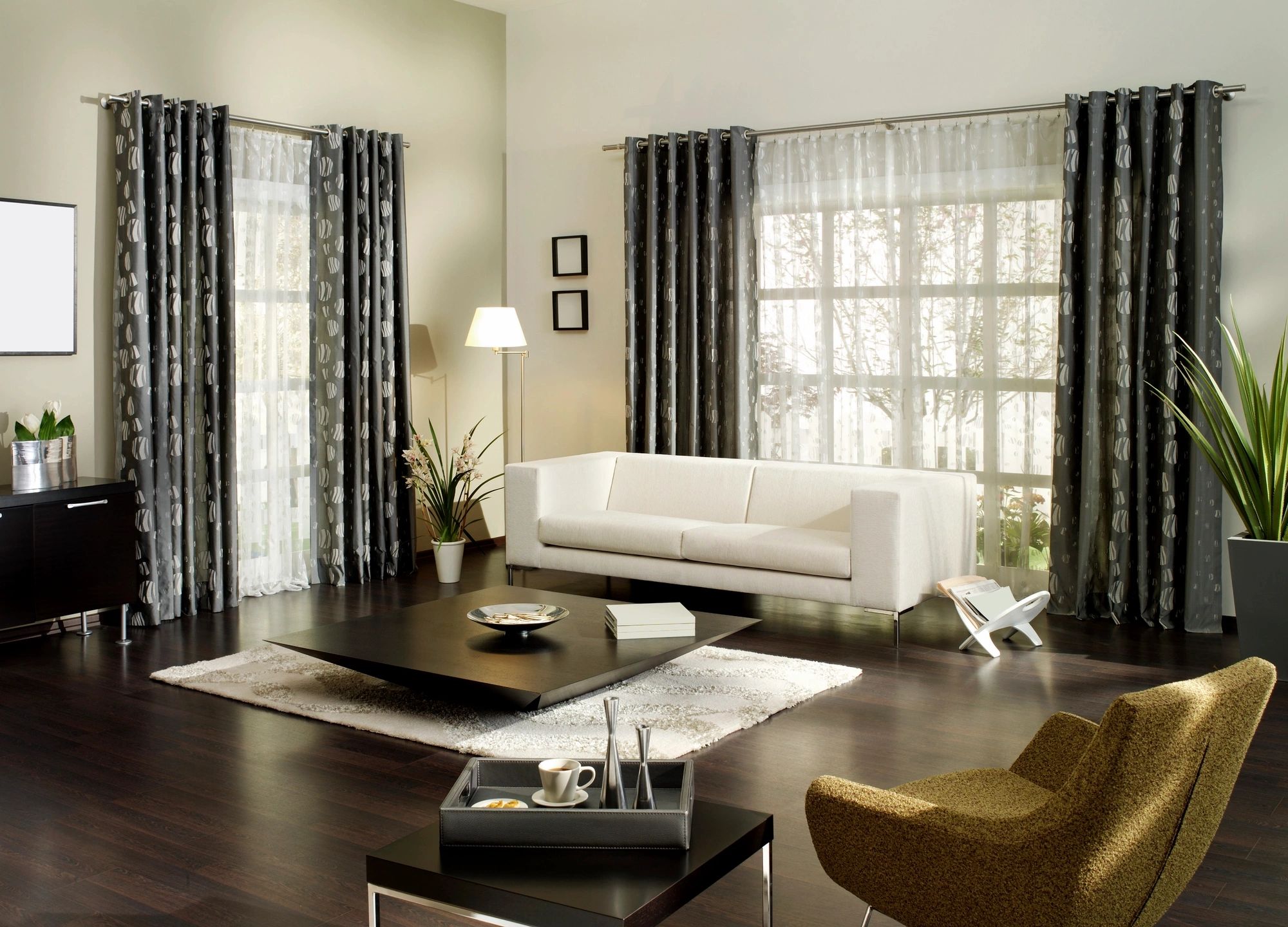
    Walk into almost any model home and it’s easy to start imagining the upgrades. The oversized soaking tub, upgraded cabinetry, decorative fireplace, custom built-ins—it all looks beautiful in the moment.

    But beautiful doesn’t always mean valuable.

    Recently, while showing homes to buyers, I walked into a property that had clearly received a lot of attention—and a lot of money. The problem was that it had been over-improved and highly personalized. Instead of impressing my buyers, all those upgrades had the opposite effect. Their reaction was almost immediate: this house wasn’t for them.

    It was a great reminder that every dollar you spend on your home does not automatically increase its value.

    Whether you’re remodeling an existing Sarasota home or sitting in a builder’s design center choosing upgrades for new construction, it’s important to separate the features that truly improve your home from those that simply increase the price tag.

    Here are several upgrades I would think twice about—and the one upgrade I believe is absolutely worth the investment.

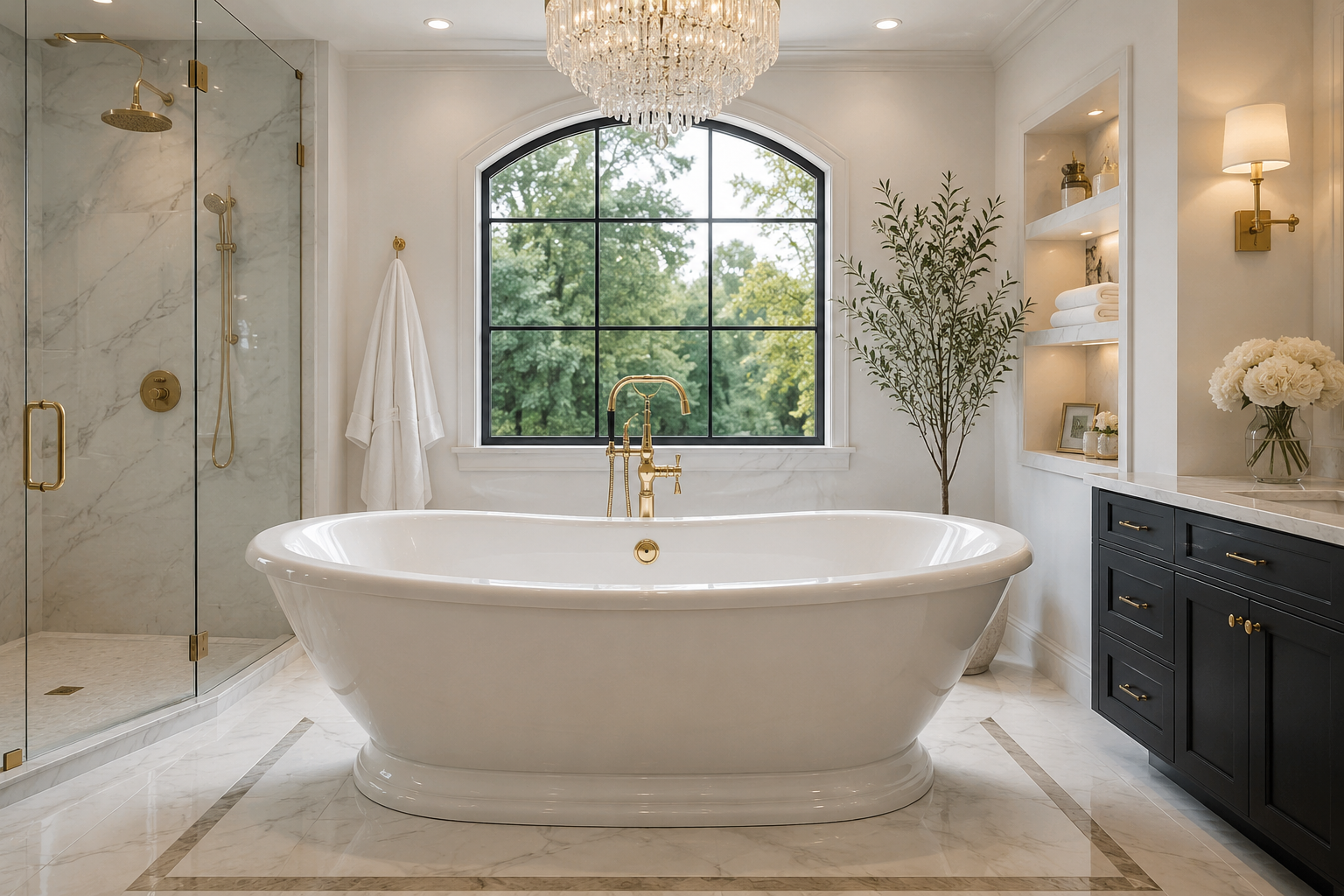
    The Oversized Soaking Tub

    This one may be controversial because oversized freestanding tubs have become a staple in luxury primary bathrooms. They photograph beautifully and can certainly create a dramatic focal point.

    But how often are they actually used?

    For many homeowners, the answer is rarely—or never. Meanwhile, these large tubs take up a significant amount of valuable bathroom space that could potentially be used for additional storage, a larger shower or another functional feature.

    There are exceptions. A soaking tub incorporated into a beautifully designed wet room or oversized shower area can feel much more intentional and private. But if you’re choosing between spending thousands on a freestanding tub simply because it looks impressive or putting that money toward something you’ll use every day, I would seriously consider skipping the tub.

    You Probably Don’t Need the Most Expensive Cabinets

    Kitchen cabinetry is another area where homeowners can quickly spend thousands of additional dollars without seeing the same increase in functionality or resale value.

    Whether you’re building from scratch or remodeling, you’ll usually have several cabinet levels and finishes available. In many cases, a good mid-tier cabinet provides everything most homeowners and future buyers actually care about: an attractive appearance, quality construction, functional storage and soft-close doors and drawers.

    Once you start moving into the highest cabinet tiers, you may be paying significantly more for relatively small differences that the average buyer may never notice.

    There are exceptions, particularly when you’re designing a multimillion-dollar luxury property where buyers expect premium finishes throughout. But for many homes, choosing a high-quality mid-range cabinet and putting the remaining budget elsewhere can make much more financial sense.

    The same principle applies to bathroom vanities and laundry-room cabinetry. You don’t necessarily need the most expensive option simply because the builder offers it.

    Pot Fillers: Pretty, But Are They Practical?

    Pot fillers have become another popular kitchen upgrade. Installed over the stove, they certainly give a kitchen that high-end, chef-inspired look.

    But consider how you’ll actually use one.

    Unless you frequently cook large pots of pasta or spend a significant amount of time cooking, the convenience may not justify the cost of adding another water line. And remember: while a pot filler saves you from carrying a full pot of water to the stove, you still have to carry that pot back to the sink when you’re finished.

    It’s a perfect example of an upgrade that can look luxurious without necessarily adding much everyday functionality.

    Do You Really Need a Fireplace in Florida?

    I love fireplaces. In colder climates, they’re beautiful and functional. But here on Florida’s Gulf Coast, the equation changes.

    In most Sarasota-area homes, a fireplace is primarily decorative. You’re probably not relying on it to heat your home during long winter nights, which means you’re investing in a design feature largely for its appearance.

    The other consideration is how quickly fireplace designs can date a room. Today’s trendy fireplace wall may feel very different five or seven years from now. Depending on the layout, homeowners may eventually wish they had used that wall for cabinetry, storage or a more flexible living-room design.

    If you love the ambiance, that’s different. Your home should still contain features that make you happy. But from a purely financial and resale perspective, I wouldn’t automatically consider an indoor fireplace a must-have Florida upgrade.

    An outdoor fire pit, on the other hand? That’s a Florida feature I can absolutely get behind.

    It’s Time to Leave Barn Doors Behind

    There was a time when sliding barn doors seemed to appear in practically every new renovation.

    That time has passed.

    I still occasionally see homeowners removing traditional doors and replacing them with barn doors over offices, laundry rooms and other spaces. While they can certainly fit a particular aesthetic, they’re a highly specific design choice—and one that can immediately make a renovation feel tied to a previous trend.

    When you’re spending money on permanent or semi-permanent improvements, think beyond what looks trendy today. Ask yourself whether the feature is likely to appeal to future buyers several years from now.

    If the answer is questionable, that may be an upgrade worth skipping.

    Building a New Home? Don’t Upgrade Everything Through the Builder

    If you’re building a production home in Florida, the design center can be dangerous for your budget.

    It’s easy to start adding upgrades because everything feels convenient when it’s rolled into the construction process. But there are several projects that may make more sense to complete after closing.

    Consider Designing the Laundry Room Later

    Rather than having your builder install a standard wall of cabinets, consider waiting until you’ve lived in—or at least fully planned—the space.

    A custom laundry room designed after closing could incorporate a hanging bar, broom closet, stacked washer and dryer, additional shelving or other storage designed specifically around your needs.

    Once builder cabinetry is installed, you may actually have fewer options for creating the laundry room you really want.

    Shop Around for Water Filtration and Security Systems

    Whole-house water filtration and home security systems are other upgrades homeowners may be offered during the building process.

    Before automatically saying yes, compare your options.

    These are improvements that can typically be installed after closing, which gives you the opportunity to research companies, compare prices and select a system based on your actual needs rather than simply accepting the builder’s package.

    Convenience is valuable—but make sure you aren’t paying a significant premium for it.

    Be Careful With Permanent Built-Ins

    Built-in niches, entertainment centers, shelving and decorative wall features can look fantastic when they’re designed around today’s furniture and technology.

    The problem is that homes often last much longer than the technology they’re designed around.

    Think about homes built 20 or 25 years ago with television niches specifically sized for the TVs of that era. Today’s televisions are dramatically larger and thinner, leaving homeowners with built-ins that no longer function the way they were intended.

    Technology will continue to change, and so will interior-design trends.

    That’s why flexibility matters.

    Homes that can be easily modified tend to age better than homes designed around highly specific features. You can absolutely add personality after closing, but whenever possible, consider improvements that can also be changed or removed without requiring a major renovation.

    This is especially important when you’re building a production home. You want the house to feel like yours without making it so specific that a future buyer struggles to envision making it theirs.

    The Upgrade That Is Worth the Money: Consistent Flooring

    After talking about where not to spend your money, there is one place where I believe it’s worth investing: your floors.

    If possible, install consistent flooring throughout the home from the beginning.

    Many builders include hard-surface flooring throughout the main living areas while putting carpet in bedrooms, dens or closets. It may save money initially, but eventually that carpet will need to be replaced.

    That’s when homeowners discover the problem.

    Trying to match flooring five or seven years later can be incredibly difficult. Even if you find the same manufacturer and style, dye lots, finishes and product lines change. The result can be a home with several slightly different floors transitioning from room to room.

    Buyers notice that.

    Continuous flooring creates a cohesive appearance, makes rooms flow together and eliminates one of those subtle visual distractions that can make a buyer feel like a home needs additional work.

    Flooring isn’t inexpensive, but this is one area where saving a little money during construction can create a much bigger headache later.

    If you’re deciding where to allocate your upgrade budget, consistent flooring throughout the home would be near the top of my list.

    Think About Tomorrow Before You Upgrade Today

    Your home should reflect your personality, and not every decision needs to be made strictly around resale value. If you’ve always dreamed of having a soaking tub or you absolutely love sitting beside a fireplace, there’s nothing wrong with choosing those features for yourself.

    The key is understanding the difference between spending money because you personally value something and spending money because you expect it to increase your home’s value.

    Those aren’t always the same thing.

    The most timeless homes tend to balance personality with flexibility. They prioritize functional layouts, cohesive finishes and improvements that can adapt as lifestyles, technology and design preferences change.

    And if you’re building, buying, remodeling or preparing a home for resale in Sarasota or along Florida’s Gulf Coast, it can be helpful to talk through those decisions before spending thousands of dollars on upgrades you may never get back.

    Have questions about which home or builder upgrades are actually worth the investment? Contact Lisa McBride and the Sarasota Neighborhood Experts. We’re always happy to help you make smart real estate decisions and find the right home along Florida’s Gulf Coast.
  • 7 Types of Homes I’d Never Buy in Sarasota (And Why)

    7 Types of Homes I’d Never Buy in Sarasota (And Why)

    Buying a home is one of the biggest investments you’ll ever make, and while it’s easy to fall in love with beautiful finishes or a stunning backyard, experienced Realtors know that the best home isn’t always the prettiest one.

    After helping buyers throughout Sarasota, Lakewood Ranch, and Florida’s Gulf Coast for decades, one lesson becomes clear: some homes come with hidden drawbacks that can affect your enjoyment today and your resale value tomorrow. Whether it’s a poor location, limited privacy, or an issue you simply can’t renovate away, these factors deserve just as much attention as the kitchen countertops or pool.

    That doesn’t mean these homes are never worth buying. Every property has exceptions, and every buyer has different priorities. However, understanding these seven common red flags can help you make a smarter long-term investment.

    1. Homes on Corner Lots

    Corner lots often sound appealing. They may appear larger, offer fewer immediate neighbors, and sometimes provide additional curb appeal. But in many Sarasota neighborhoods, they come with trade-offs that buyers don’t immediately notice.

    Because of the way many master-planned communities are designed, corner lots often have neighboring homes positioned directly behind them. Instead of enjoying a private backyard, you may find yourself looking at the side wall of another house or directly into multiple neighboring lanais. Even with additional landscaping, these yards can feel smaller, more enclosed, and less private.

    Outdoor living is a major part of Florida life. Whether you’re relaxing by the pool, enjoying your lanai, or entertaining guests outside, privacy matters. Homes with limited backyard privacy are also more difficult to resell because future buyers often notice the same concerns immediately.

    2. Former Model Homes

    Walking through a model home can be dangerous—in the best way.

    Builders intentionally design model homes to impress buyers with luxury finishes, designer furniture, dramatic lighting, and every upgrade imaginable. It’s no surprise many buyers ask if they can simply purchase the model exactly as it sits.

    However, model homes aren’t always the best investment.

    By the time they’re offered for sale, they may already be four, five, or even six years old. Although no one has technically lived there, the air conditioning system, plumbing, electrical components, appliances, and pool equipment have all been operating during that time. In many cases, manufacturer warranties have already been partially used—or expired altogether.

    Design is another consideration. Today’s trendy wallpaper, decorative ceiling beams, and bold finishes may not feel as timeless five years from now. Rather than purchasing the actual model, many buyers are better served by building the same floor plan and selecting finishes that match their own style and lifestyle.

    3. Homes with External Obsolescence

    One of the most important concepts in real estate is something called external obsolescence.

    Simply put, it’s anything outside the home that negatively affects its value or your enjoyment of living there. Unlike outdated kitchens or old flooring, these issues can’t be remodeled away.

    Examples include:

    • Busy roads
    • High-voltage power lines
    • Golf cart paths
    • Commercial properties
    • Heavy traffic
    • Constant neighborhood noise

    A beautifully renovated home can quickly lose its appeal if your backyard backs up to a busy roadway or if golfers are driving past your lanai every morning.

    Before making an offer, it’s worth visiting the neighborhood during different times of day. Rush hour traffic, after-school activity, and evening noise can reveal things you won’t notice during a single showing.

    4. The Most Expensive Home in the Neighborhood

    One of the oldest rules in real estate remains true today:

    Never aim to own the most expensive home in the neighborhood.

    Your home’s value is heavily influenced by comparable properties nearby. Even if you’ve invested hundreds of thousands of dollars in renovations, appraisers still compare your property to similar homes surrounding it.

    That doesn’t mean you shouldn’t personalize your home. Improvements that enhance your lifestyle are often worthwhile. Just remember that not every upgrade translates into equal resale value.

    Ironically, buying one of the least expensive homes in a desirable neighborhood often creates more opportunity for appreciation because the surrounding properties help support your home’s value.

    5. Homes with Limited Parking

    Parking isn’t usually the feature buyers get excited about during a showing—but it often becomes one of the biggest frustrations after moving in.

    Many Sarasota communities have HOA rules restricting overnight street parking, driveway parking, oversized vehicles, work trucks, boats, and RVs. Families with multiple drivers, teenagers, guests, or golf carts can quickly discover that parking isn’t as simple as it first appeared.

    Before purchasing, think about your daily lifestyle.

    How many vehicles do you own? Will guests visit frequently? Does your truck actually fit inside the garage?

    Taking time to review the HOA rules and evaluate available parking can prevent countless headaches down the road.

    6. Homes Near Amenity Centers

    Living next to the neighborhood clubhouse, pool, or pickleball courts might sound incredibly convenient.

    After all, who wouldn’t want to walk to the pool or fitness center?

    The reality is that convenience often comes with additional traffic, noise, and less privacy. Homes located close to amenity centers typically experience a steady flow of pedestrians, golf carts, cyclists, vehicles, and children throughout the day. If you’re near pickleball courts, that familiar “pop” of the ball can become part of your daily soundtrack.

    Community layout also matters.

    Some homes sit directly beside neighborhood entrances where traffic is constant, while others are located so deep inside large master-planned communities that it can take ten minutes simply to reach the front gate.

    It’s also worth considering your backyard orientation. West-facing backyards offer beautiful sunsets but can become extremely warm during Florida summers, while other buyers specifically seek that evening sunshine.

    These small location details can significantly impact both your enjoyment of the home and its resale appeal.

    7. Homes That Feel Too Dark

    Florida buyers generally want one thing when they move here:

    Sunshine.

    Homes with dark flooring, dark cabinetry, heavy paint colors, oversized landscaping that blocks natural light, or heavily customized interiors often feel smaller and less inviting than bright, open homes.

    While bold design choices certainly appeal to some homeowners, they can also narrow your future buyer pool.

    Natural light consistently ranks among the most desirable home features. Bright interiors feel more spacious, showcase Florida’s indoor-outdoor lifestyle, and generally require fewer updates when it’s time to sell.

    If a home feels dark the moment you walk inside, chances are future buyers may feel the same way.

    Every Home Has Exceptions

    No real estate rule is absolute.

    A corner lot may provide extra space. A model home may include upgrades worth keeping. Living next to the clubhouse could be perfect for someone who plans to use the amenities every day.

    The key is understanding the trade-offs before making such an important investment.

    An experienced local Realtor doesn’t simply help you buy a house—they help you evaluate how that home will fit your lifestyle today and how it may perform years from now if your plans change.

    Final Thoughts

    Many buyers begin their search focused on granite countertops, luxury kitchens, or resort-style pools. While those features certainly matter, the factors that often have the biggest impact on long-term happiness—and resale value—are the ones buyers don’t always notice during a quick showing.

    Privacy, neighborhood layout, parking, traffic patterns, natural light, and surrounding property values all play a significant role in whether a home remains a great investment over time.

    If you’re planning to buy a home in Sarasota, Lakewood Ranch, Venice, Bradenton, or anywhere along Florida’s Gulf Coast, taking the time to evaluate these details can help you avoid costly surprises and purchase a home you’ll enjoy for years to come.

    Thinking About Moving to Florida?

    Whether you’re considering Sarasota, Lakewood Ranch, Bradenton, Venice, or another community along Florida’s Gulf Coast, our team is here to help you navigate the process with confidence.

    At Sarasota Neighborhood Experts, we help buyers compare neighborhoods, explore new construction communities, understand the local market, and find the area that truly fits their lifestyle, not just their wish list.

    If you’re ready to start your Florida home search or simply have questions about relocating, we’d love to help. Contact Sarasota Neighborhood Experts today to begin your journey.

  • Moving to Lakewood Ranch? Here Are the 5 Questions Everyone Asks

    Moving to Lakewood Ranch? Here Are the 5 Questions Everyone Asks

    Every year, thousands of people relocate to Lakewood Ranch, one of the nation’s fastest-growing master-planned communities. Whether they’re moving from another part of Florida or across the country, most buyers arrive with the same handful of questions.

    How far is the beach? Do I need flood insurance? What’s a CDD fee? Are there really alligators? And who builds the best homes?

    If you’re considering making Lakewood Ranch your next home, here are the answers to the five questions local real estate experts hear almost every day, along with a few insider tips that every future resident should know.

    1. Does Lakewood Ranch Have CDD Fees?

    The short answer is yes.

    Most neighborhoods in Lakewood Ranch include a Community Development District (CDD) fee, which is often one of the first things buyers notice when comparing communities. While many people initially see it as an added expense, understanding what it pays for makes it much easier to appreciate.

    A CDD is essentially a long-term bond that helps fund the infrastructure that makes Lakewood Ranch so desirable. Roads, sidewalks, walking trails, landscaping, community entrances, street lighting, and other public improvements are all supported through these fees, which are paid as part of your annual property taxes.

    For many homeowners, the result is worth it. Beautifully maintained neighborhoods, manicured landscaping, and well-planned community spaces are part of what has helped make Lakewood Ranch one of the most sought-after places to live on Florida’s Gulf Coast.

    2. How Far Is the Beach from Lakewood Ranch?

    This may be the most common question of all—and the answer depends entirely on where you live within Lakewood Ranch.

    Homes located in the southern portion of the community, particularly those in Sarasota County near Waterside Place and south of University Parkway, enjoy the quickest routes to Siesta Key and Lido Key. Under normal traffic conditions, residents can often reach the beach in approximately 25 to 35 minutes.

    Those living in the northern neighborhoods may experience travel times closer to 45 to 50 minutes, especially during peak tourist season.

    The good news? Even in heavier traffic, Lakewood Ranch residents are rarely more than about an hour from some of Florida’s most beautiful Gulf Coast beaches.

    3. Do You Need Flood Insurance?

    One of the biggest surprises for many buyers is that most homes in Lakewood Ranch are located in Flood Zone X, meaning flood insurance is generally not required by lenders.

    In fact, approximately 98% of the community falls outside mandatory flood zones.

    That said, many homeowners still choose to carry flood insurance voluntarily.

    Because properties outside high-risk flood zones aren’t required to purchase insurance through FEMA, homeowners often have access to less expensive policies through the private insurance market. Some residents choose this option simply for the added peace of mind during Florida’s rainy season.

    While flooding has been far less common in Lakewood Ranch than in other nearby areas, many homeowners feel the relatively modest annual cost is worthwhile for the protection it provides.

    4. Are there Alligators in Lakewood Ranch?

    Yes, but that shouldn’t stop you from moving here.

    Like much of Florida, Lakewood Ranch is home to numerous lakes, ponds, and natural preserves. Because of that, seeing an alligator from time to time is simply part of living in the Sunshine State. The key is respecting wildlife.

    If you spot an alligator resting along the shoreline, give it plenty of space and simply walk the other direction. Never feed an alligator, and always keep a close eye on small pets near bodies of water. For longtime Florida residents, alligator sightings are simply another part of enjoying the state’s natural beauty.

    5. Who Is the Best Builder in Lakewood Ranch?

    This is one question that doesn’t have a single right answer.

    The “best” builder depends entirely on your budget, lifestyle, design preferences, and the type of community you’re hoping to call home. Fortunately, Lakewood Ranch offers an outstanding selection of builders across nearly every price point.

    Some of the builders frequently praised by local experts include:

    • Taylor Morrison (Esplanade Communities) for resort-style amenities and thoughtfully designed floor plans.
    • Neal Communities, a Florida-based builder known for exceptional customer service and a wide variety of home styles.
    • Del Webb, especially for active adult communities.
    • Homes by WestBay and Perry Homes, both newer additions offering impressive craftsmanship and modern designs.
    • Luxury builders including John Cannon Homes, Lee Wetherington Homes, and Stock Luxury Homes.
    • National builder Toll Brothers, offering luxury homes with customizable floor plans.

    Rather than searching for the “best” builder overall, it’s often more helpful to find the builder that best matches your needs and lifestyle.

    Is Traffic Really That Bad?

    Compared to many Florida cities, most residents would say no.

    Lakewood Ranch was carefully master-planned with wide, grid-style roadways that make getting around relatively easy. While traffic naturally increases during peak season, many residents find commuting far less stressful than in larger metropolitan areas like Orlando or Tampa.

    Is It Easy to Meet People After Moving Here?

    One of the biggest concerns for out-of-state buyers has nothing to do with homes. It’s whether they’ll be able to build a new social circle.

    Fortunately, this is an area where Lakewood Ranch truly shines.

    The community hosts countless festivals, concerts, fitness classes, farmers markets, walking clubs, sports leagues, pickleball groups, volunteer organizations, restaurant events, and neighborhood gatherings throughout the year. Residents also connect through Facebook groups, Meetup events, and community organizations that make meeting new people surprisingly easy.

    Like any move, you’ll need to put yourself out there a little—but most new residents quickly discover that Lakewood Ranch has an unusually welcoming atmosphere. It’s one of the reasons so many people relocate here… and never want to leave.

    Final Thoughts

    Lakewood Ranch continues attracting thousands of new residents every year for good reason.

    Beautiful neighborhoods, outstanding builders, excellent infrastructure, nearby beaches, abundant amenities, and an active social scene have transformed it into one of Florida’s most desirable master-planned communities.

    While every buyer’s priorities are different, understanding CDD fees, flood insurance, travel times, builders, and everyday life in the community can help you make a more informed decision before making your move.

    If you’re considering relocating to Lakewood Ranch or anywhere along Florida’s Gulf Coast, working with a local real estate expert can help you narrow your options, compare neighborhoods, and find the home that best fits your lifestyle.

    Thinking About Moving to Florida?

    Whether you’re considering Sarasota, Lakewood Ranch, Bradenton, Venice, or another community along Florida’s Gulf Coast, our team is here to help you navigate the process with confidence.

    At Sarasota Neighborhood Experts, we help buyers compare neighborhoods, explore new construction communities, understand the local market, and find the area that truly fits their lifestyle, not just their wish list.

    If you’re ready to start your Florida home search or simply have questions about relocating, we’d love to help. Contact Sarasota Neighborhood Experts today to begin your journey.

  • The Truth About Sarasota’s Housing Market in 2026: What the Headlines Aren’t Telling You

    The Truth About Sarasota’s Housing Market in 2026: What the Headlines Aren’t Telling You

    If you’ve been following national real estate headlines, you might think you already know the story unfolding in Sarasota. Some reports paint a picture of a cooling market, while others suggest buyers have all the leverage. The reality, however, is much more nuanced.

    Sarasota and Manatee counties continue to evolve at a remarkable pace. While today’s market looks very different than the frenzy of the pandemic years, demand remains strong, inventory is tightening, and thousands of new residents continue choosing Florida’s Gulf Coast as their new home.

    So what is really happening in Sarasota’s housing market in 2026?

    Let’s take a closer look.

    Sarasota Is Still Growing…Fast

    One statistic tells the story better than almost any other.

    Over the past five years, Sarasota and Manatee counties have welcomed approximately 73,000 new residents, and an incredible 97% of that growth comes from people relocating to the area rather than local population growth.

    That steady influx of newcomers continues to fuel demand for housing, businesses, restaurants, healthcare, and community development. Rather than slowing down, the region continues attracting retirees, families, professionals, and entrepreneurs from across North America.

    This isn’t simply a temporary trend—it’s reshaping the entire local housing market.

    Inventory Has Shifted Dramatically

    One of the biggest changes throughout 2026 has been inventory.

    During July, Sarasota and Manatee counties had roughly 9,500 homes available for sale. While that may sound like a healthy amount of inventory, it actually represents a significant decline compared to earlier in the year—approximately 20% lower than January and nearly 30% below the inventory peak reached in early 2025.

    Many people assume falling inventory simply means homeowners are reluctant to sell.

    That’s only part of the story.

    Homes are also selling at a faster pace.

    Buyers Are Returning to the Market

    Sales activity has quietly picked up throughout 2026.

    Nearly 1,300 additional homes were sold during the first half of the year, putting Sarasota on pace to outperform the previous three years if current trends continue.

    When increasing buyer demand meets declining inventory, the market naturally begins shifting toward greater balance.

    Today, Sarasota sits at approximately four months of housing inventory, placing it squarely within what the National Association of Realtors considers a balanced market.

    For both buyers and sellers, that’s welcome news.

    What a Balanced Market Really Means

    Balanced doesn’t mean slow.

    It simply means both buyers and sellers have realistic opportunities.

    For sellers, well-prepared homes continue receiving strong attention and often sell within 30 to 90 days when priced appropriately. Buyers, meanwhile, have enough inventory to compare neighborhoods, floor plans, and lifestyles without feeling forced into rushed decisions.

    Unlike the pandemic years, bidding wars are no longer the norm.

    Instead, today’s market rewards thoughtful pricing, excellent presentation, and patience.

    The Homes Selling Fast Have One Thing in Common

    Although the overall market has become more balanced, not every listing performs equally.

    Homes that are priced correctly, meticulously maintained, and professionally presented continue attracting immediate interest.

    Some properties are still receiving multiple offers shortly after hitting the market—not because buyers are overpaying, but because those homes entered the market at realistic prices.

    On the other hand, overpriced listings or homes requiring significant updates often remain available much longer.

    Today’s buyers are informed, selective, and willing to wait for the right opportunity.

    Home Prices Continue to Show Strength

    Despite the market normalization, home values have remained surprisingly resilient.

    The average sale price in Sarasota during 2026 currently sits around $597,000. While prices have not yet returned to the historic highs experienced during 2023 and 2024, appreciation has remained positive.

    Current projections suggest prices could appreciate roughly 5% to 6% over 2025 by year’s end.

    Although homeowners who purchased near the market peak may still be recovering equity, continued demand and shrinking inventory could help values gradually rebuild over the next couple of years.

    Why People Keep Choosing Sarasota

    Numbers only tell part of the story.

    The lifestyle continues to be Sarasota’s greatest advantage.

    Residents enjoy award-winning beaches, a thriving arts and cultural community, boating, year-round outdoor recreation, vibrant social events, and an atmosphere that consistently welcomes newcomers.

    Whether someone loves golf, gardening, theater, fishing, sailing, or simply spending time outdoors, Sarasota offers opportunities to build community and create an active lifestyle.

    For many people relocating, that’s just as important as the home itself.

    It’s Not Just Retirees Moving Here Anymore

    While Sarasota has long been associated with retirement living, today’s population growth is far more diverse.

    Working professionals appreciate the expanding regional economy, proximity to Tampa and St. Petersburg, the continued growth of Sarasota-Bradenton International Airport, and the area’s strong tourism industry.

    Families are equally attracted by highly rated schools, safe neighborhoods, sports facilities, parks, boating opportunities, and countless outdoor activities.

    As a result, Sarasota has evolved into one of America’s fastest-growing multigenerational communities.

    Is Sarasota Still Affordable?

    The answer depends entirely on where you’re moving from.

    Compared to many Midwestern communities, Sarasota may feel expensive. However, buyers relocating from California, New York, Massachusetts, Toronto, or other high-cost markets often view Sarasota as offering exceptional lifestyle value relative to price. Affordability is always relative. What remains consistent is that Sarasota offers a combination of climate, recreation, healthcare, entertainment, and quality of life that many buyers believe justifies the premium.

    Growth Is Happening Across the Entire Region

    Sarasota isn’t growing alone. Neighboring communities continue expanding at an impressive pace.

    Lakewood Ranch remains the nation’s top-selling multigenerational master-planned community, with additional neighborhoods already planned. Wellen Park continues booming to the south, while Parrish, North River Ranch, and new developments throughout Bradenton are transforming northern Manatee County. New infrastructure, residential construction, and commercial investment suggest this growth is far from over.

    The region continues offering buyers an expanding variety of neighborhoods, price points, and lifestyles.

    Today’s Sarasota Is About Lifestyle

    For years, many people associated Sarasota with one thing: the beach. Today, the conversation has changed. People are moving here for walkable communities, restaurants, healthcare, outdoor recreation, boating, sports, arts, culture, family activities, and the opportunity to enjoy an active lifestyle year-round.

    The beaches remain world-class, but they are now only one part of what makes the Sarasota area so desirable.

    Final Thoughts

    While national headlines often focus on broad housing trends, real estate remains intensely local. In Sarasota and Manatee counties, declining inventory, steady buyer demand, continued relocation, and long-term regional growth are creating a healthier, more balanced housing market.

    For buyers, that means more choices without the chaos of the pandemic.

    For sellers, it means properly priced, well-presented homes continue to command strong interest.

    As the region continues welcoming new residents and expanding its communities, Sarasota’s greatest strength remains unchanged: it’s not simply a place to buy a home, it’s a place to build a lifestyle.

    Thinking About Moving to Florida?

    Whether you’re considering Sarasota, Lakewood Ranch, Bradenton, Venice, or another community along Florida’s Gulf Coast, our team is here to help you navigate the process with confidence.

    At Sarasota Neighborhood Experts, we help buyers compare neighborhoods, explore new construction communities, understand the local market, and find the area that truly fits their lifestyle, not just their wish list.

    If you’re ready to start your Florida home search or simply have questions about relocating, we’d love to help. Contact Sarasota Neighborhood Experts today to begin your journey.

  • 15 Realities of Living in Florida: What You Should Know Before Making the Move

    15 Realities of Living in Florida: What You Should Know Before Making the Move

    Florida has become one of the fastest-growing states in the country, welcoming thousands of new residents every month with its warm climate, beautiful beaches, and laid-back coastal lifestyle. For many, it’s the dream destination—a place where winter coats are replaced with flip-flops and weekends revolve around sunshine instead of snow.

    But living in Florida is different from vacationing here.

    After helping hundreds of families relocate to Florida’s Gulf Coast, we’ve found that the happiest homeowners are the ones who understand what everyday life is really like before they make the move. Beyond the palm trees and postcard-worthy sunsets, there are unique aspects of Florida living that surprise many newcomers—some wonderful, some practical, and a few that simply become part of daily life.

    Whether you’re considering Sarasota, Lakewood Ranch, Bradenton, Venice, or another Gulf Coast community, here are 15 realities you should know before packing the moving truck.

    1. Florida Is Built Around Outdoor Living

    One of the biggest lifestyle adjustments you’ll notice is just how much of your life naturally moves outdoors.

    Florida homes aren’t designed solely around what’s inside the four walls. Instead, they’re built to blur the line between indoor and outdoor living. Covered lanais, screened patios, outdoor kitchens, swimming pools, and comfortable seating areas become true extensions of the home.

    Many homeowners eat dinner outside several nights a week, work remotely from the patio, or entertain friends around the pool nearly year-round. If you’re relocating from a colder climate, you may be surprised by how quickly outdoor living becomes part of your daily routine.

    2. Making Friends Is Easier Than You Might Expect

    One of the biggest concerns people have before relocating is whether they’ll be able to build a new social circle.

    Fortunately, Florida is filled with people who were once in the exact same position.

    Communities throughout Sarasota and Manatee County are full of newcomers looking to meet people through pickleball leagues, golf clubs, cycling groups, volunteer organizations, neighborhood events, Facebook groups, book clubs, and community gatherings. Whether you’re retired, raising children, or working remotely, there are countless opportunities to connect with people who share your interests.

    3. Hurricane Preparation Simply Becomes Routine

    Living in Florida means learning about hurricane season, but it’s usually far less dramatic than many people imagine.

    Unlike tornadoes or earthquakes, hurricanes are tracked days before they arrive, giving residents time to prepare. Stocking bottled water, charging electronics, putting up hurricane shutters, trimming trees, and securing outdoor furniture all become part of a familiar seasonal routine.

    Most longtime Floridians don’t spend hurricane season feeling anxious—they simply stay informed, prepare when necessary, and move on with daily life.

    4. Living Here Feels Different Than Vacationing Here

    Florida may be one of the world’s most popular vacation destinations, but everyday life still includes work meetings, grocery shopping, school schedules, and home maintenance.

    The difference is what happens after those responsibilities are finished.

    Instead of spending months planning your next getaway, you might end your workday watching the sunset at Siesta Key, enjoy dinner overlooking the water, or take a bike ride along the coast. Living in Florida often means your everyday routine feels a little more like everyone else’s vacation.

    5. You Probably Won’t Go to the Beach Every Weekend

    Many people assume they’ll spend every free day sitting on the sand.

    The reality is a little different.

    Most locals treat the beach the same way people elsewhere enjoy a favorite neighborhood park. It’s where you go for an early morning walk, to watch the sunset, celebrate with family, or bring visiting friends. The real luxury isn’t going every day—it’s knowing that one of the country’s most beautiful beaches is only a short drive away whenever you want it.

    6. Your Wardrobe Will Change

    One unexpected perk of moving to Florida is how much simpler getting dressed becomes.

    Heavy winter coats, snow boots, gloves, and thick sweaters often disappear from daily life, replaced by lightweight clothing, linen shirts, sandals, shorts, and breathable fabrics. You’ll probably still keep a light jacket for the occasional cool winter morning, but overall, Florida’s relaxed atmosphere is reflected in the way people dress.

    7. There’s Always Something Going On

    One thing many newcomers quickly discover is that Florida’s social calendar never really slows down.

    Throughout the year you’ll find art festivals, seafood festivals, farmers markets, concerts, boat shows, food truck rallies, holiday celebrations, and community events almost every weekend. Communities like Sarasota and Lakewood Ranch host regular gatherings that make it easy to stay active while meeting neighbors and exploring local businesses.

    If you enjoy getting out and trying something new, you’ll rarely run out of things to do.

    8. Time Starts to Feel Different

    Many longtime Florida residents describe something they never expected after moving here—a slower pace of life.

    Without long winters dividing the year into distinct seasons, life begins to revolve less around the calendar and more around enjoying the moment. Lunch on an outdoor patio in January, pickleball after work in February, or an evening walk in November all become completely normal.

    It’s a subtle change, but one many people say improves their overall quality of life.

    9. Yes… There Are Bugs

    It wouldn’t be an honest Florida blog without mentioning the insects.

    Mosquitoes, lovebugs, palmetto bugs, no-see-ums, and seasonal flies are simply part of Florida’s subtropical environment. The good news is that most residents quickly adapt, and screened lanais, regular pest control, and a little bug spray make them far less of an issue than many newcomers expect.

    10. Those Pool Screens Actually Make Sense

    If you’ve browsed Florida real estate listings, you’ve probably noticed that many swimming pools are enclosed by large screen structures.

    They’re called pool cages, and after living here for a while, most homeowners wouldn’t want to be without one.

    Pool enclosures help keep insects away, reduce leaves and debris, provide an added layer of safety, block some UV exposure, and even discourage wildlife from wandering into the pool area. They may look unusual at first, but they quickly become one of those uniquely Florida features that simply make life easier.

    11. You’ll Learn to Respect Wildlife

    Florida’s natural beauty comes with an incredible variety of wildlife.

    From dolphins and manatees to countless bird species, nature is part of everyday life. Of course, Florida is also home to one of its most famous residents—the alligator.

    While seeing an alligator may be exciting for newcomers, longtime Floridians simply learn to respect their habitat. Staying aware near freshwater ponds, keeping pets away from shorelines, never feeding wildlife, and using common sense are usually all that’s needed. Most encounters are uneventful, but awareness is part of living responsibly in Florida.

    12. Florida Is Flatter Than You Think

    If you’re moving from a mountainous area, Florida’s landscape may take some getting used to.

    The state offers beautiful waterfront trails, scenic parks, and miles of walking and cycling paths—but very few hills. In fact, many runners joke that the closest thing to hill training is running over a bridge.

    For outdoor enthusiasts, however, the abundance of year-round cycling, walking, kayaking, and boating more than makes up for the lack of elevation.

    13. Publix Becomes Part of Your Routine

    Ask almost any Floridian where they grocery shop, and chances are you’ll hear the same answer: Publix.

    Known for its friendly customer service, spotless stores, and loyal following, Publix is woven into everyday life throughout the state. And if you’re new to Florida, there’s one tradition you’ll almost certainly hear about sooner rather than later—the famous Publix Pub Sub.

    It’s practically a rite of passage.

    14. Florida Is Much Bigger Than Most People Realize

    Many people focus on one city without realizing how incredibly diverse Florida really is.

    Sarasota feels very different from Naples. Tampa offers a completely different lifestyle than Venice. The Florida Keys bear little resemblance to Jacksonville or Orlando.

    Taking time to explore several regions before buying a home can make a tremendous difference. The best place to live isn’t necessarily the most popular—it’s the one that best matches your lifestyle, priorities, and goals.

    15. Heat and Humidity Become Part of Everyday Life

    Florida’s warm climate is one of its biggest attractions, but it also means air conditioning is essential.

    Unlike northern states where HVAC systems may sit idle for months, Florida air conditioners often run throughout the year to keep homes cool, control humidity, and improve indoor air quality. Because they’re used so consistently, HVAC systems generally have shorter lifespans than those in cooler climates.

    If you’re purchasing a home, it’s always worth paying close attention to the age and maintenance history of the air conditioning system.

    Is Florida the Right Place for You?

    Moving to Florida is about much more than trading snow for sunshine. It’s about embracing a lifestyle centered around outdoor living, community, year-round recreation, and making the most of every season.

    Yes, there are adjustments. You’ll learn how to prepare for hurricane season, get used to the humidity, and probably have a few stories about wildlife before long. But for most people who relocate, those changes quickly become part of everyday life—and the benefits far outweigh the challenges.

    The key is choosing the right community.

    A neighborhood that’s perfect for one buyer may not be the best fit for another, which is why taking the time to understand your lifestyle, commute, budget, and long-term goals is just as important as finding the right home.

    Thinking About Moving to Florida?

    Whether you’re considering Sarasota, Lakewood Ranch, Bradenton, Venice, or another community along Florida’s Gulf Coast, our team is here to help you navigate the process with confidence.

    At Sarasota Neighborhood Experts, we help buyers compare neighborhoods, explore new construction communities, understand the local market, and find the area that truly fits their lifestyle, not just their wish list.

    If you’re ready to start your Florida home search or simply have questions about relocating, we’d love to help. Contact Sarasota Neighborhood Experts today to begin your journey.


    Frequently Asked Questions

    Is Florida a good place to retire?

    Florida continues to be one of the country’s most popular retirement destinations thanks to its warm climate, active lifestyle, wide variety of communities, recreational opportunities, and favorable tax environment.

    Are hurricanes a reason not to move to Florida?

    Hurricanes are a part of living in Florida, but modern forecasting provides days of advance notice, allowing residents time to prepare. Many communities also have well-developed emergency management plans in place.

    Do Florida residents go to the beach every day?

    Not usually. While many residents live close to the beach, most visit for sunrise walks, sunsets, entertaining guests, or occasional weekend outings rather than daily trips.

    Why are Sarasota and Lakewood Ranch so popular?

    These communities offer an outstanding combination of beautiful beaches, golf courses, excellent dining, arts and culture, highly rated neighborhoods, active social calendars, and housing options that appeal to a wide variety of lifestyles.

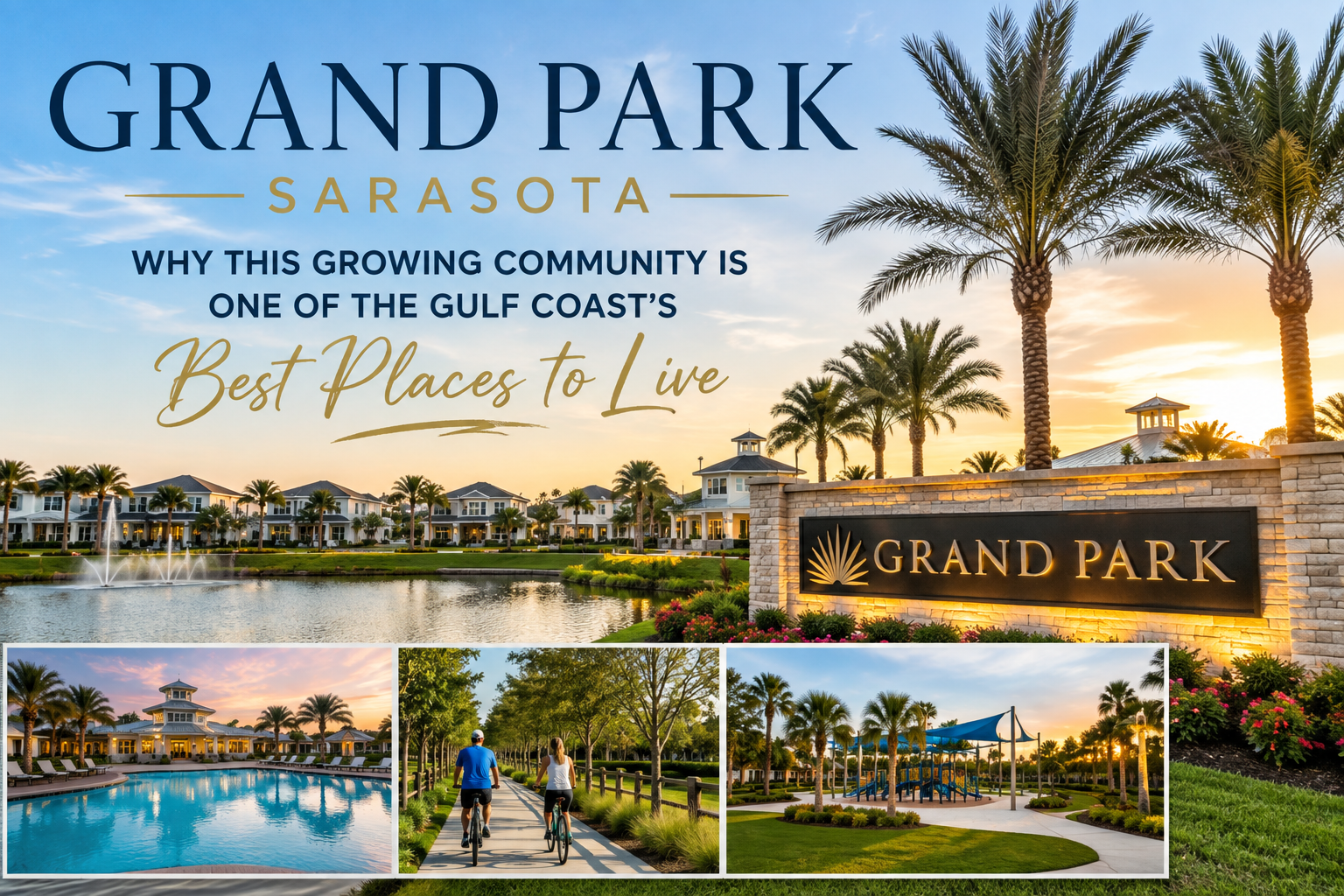
  • Grand Park Sarasota: Why This Growing Community Is One of the Gulf Coast’s Best Places to Live

    Grand Park Sarasota: Why This Growing Community Is One of the Gulf Coast’s Best Places to Live

    When people think of the best master-planned communities in Sarasota, names like Lakewood Ranch, Wellen Park, and Skye Ranch usually come to mind. But there’s another neighborhood that’s quickly earning a reputation as one of the area’s most exciting places to live—and it’s no longer flying under the radar.

    Developed by Neal Communities, Grand Park has quietly evolved into one of Sarasota’s most desirable residential communities. Surrounded by preserved green space and filled with resort-style amenities, thoughtfully designed homes, and an exciting expansion already underway, Grand Park offers something for nearly every stage of life.

    Whether you’re relocating to Florida, searching for your forever home, or exploring new construction communities, here’s why Grand Park deserves a closer look.

    A Community Designed for the Florida Lifestyle

    One of Grand Park’s greatest strengths begins with its developer. Unlike many national homebuilders, Neal Communities has been headquartered in Southwest Florida since 1970. Over the past five decades, the company has built more than 27,000 homes throughout Sarasota and Manatee counties, giving them a deep understanding of what Florida homeowners value most.

    That local knowledge is reflected throughout Grand Park.

    Rather than creating another neighborhood filled with identical homes, Neal Communities prioritized preserving mature trees, protecting natural green space, and incorporating miles of scenic walking trails. The homes themselves are designed around Florida’s indoor-outdoor lifestyle, with open floor plans, spacious lanais, and living spaces that make the most of the region’s year-round sunshine.

    The result is a community that feels established, welcoming, and connected to nature from the moment you arrive.

    A Prime Sarasota Location

    For many buyers, location is every bit as important as the home itself—and Grand Park delivers on both.

    Located just off Ibis Road, residents enjoy convenient access to many of Sarasota’s most popular destinations. Siesta Key Beach is only about 10 miles away, Downtown Sarasota is roughly 13 miles from the community, and University Town Center is just a short drive for shopping, dining, and entertainment. Families also benefit from being close to the new Skye Ranch Elementary School, local parks, and athletic facilities.

    Whether you’re commuting to work, heading to the beach, or spending an evening downtown, Grand Park makes it easy to enjoy everything Sarasota has to offer without sacrificing everyday convenience.

    Homes for Every Stage of Life

    One of the first things buyers notice about Grand Park is the incredible variety of homes available.

    Unlike many master-planned communities where every street feels the same, Grand Park offers 27 thoughtfully designed floor plans with a wide range of sizes, layouts, and architectural styles.

    For first-time buyers, seasonal residents, or those looking to downsize, the Cruise Series offers efficient floor plans with open living spaces and manageable square footage.

    Buyers needing additional space will appreciate the Celebration and Cove collections, which introduce larger homes featuring dedicated offices, flexible bonus rooms, and three-car garages—ideal for growing families or remote professionals.

    Those seeking luxury without entering Sarasota’s highest price points can explore the Estate Collection. These homes offer expansive floor plans, premium finishes, generous outdoor living areas, and extensive customization opportunities.

    From cabinetry and flooring to kitchens, lanais, and private pools, homeowners have the ability to personalize nearly every aspect of their home, creating a space that truly reflects their lifestyle.

    Resort-Style Amenities for All Ages

    Grand Park isn’t just about beautiful homes—it’s designed around an active, connected lifestyle.

    While many communities with extensive amenities cater exclusively to active adults, Grand Park offers resort-style living for residents of every age.

    Homeowners enjoy access to two resort-style swimming pools, a modern fitness center, pickleball and tennis courts, miles of walking trails, and beautifully landscaped gathering spaces that encourage neighbors to spend time outdoors.

    The community has a welcoming atmosphere that feels less like a subdivision and more like a neighborhood where people genuinely get to know one another.

    An Exciting New Chapter: Longleaf at Grand Park

    As impressive as Grand Park already is, the community is entering an exciting new phase of growth.

    Longleaf at Grand Park will introduce additional homes, new builders, and expanded amenities while giving residents access to everything Grand Park already offers.

    Future Longleaf homeowners will enjoy the existing pools, fitness center, walking trails, tennis courts, and pickleball courts, along with their own neighborhood amenities that include another resort-style pool and additional pickleball facilities.

    Rather than simply adding more homes, the expansion has been designed to enhance the overall lifestyle while preserving the character that has made Grand Park so popular.

    More Builders, More Home Choices

    One of the most exciting additions to Longleaf is the arrival of two highly respected Florida homebuilders.

    M/I Homes brings thoughtfully designed floor plans featuring open-concept living spaces, oversized kitchen islands, spacious lanais, flexible bonus rooms, and energy-efficient construction. Buyers hoping to move sooner may also find quick move-in inventory homes that significantly shorten the building timeline.

    Homes by WestBay adds another level of luxury with its Artisan Series, offering larger floor plans with dramatic entryways, dedicated home offices, optional second-story living areas, and expansive outdoor entertaining spaces.

    One standout design is the Siesta Key II, a beautifully crafted floor plan that blends elegant architecture with the flexibility modern homeowners are looking for.

    For buyers seeking luxury square footage at a more attainable price than many custom-built communities, WestBay presents exceptional value.

    Is Grand Park the Right Community for You?

    Part of what makes Grand Park so appealing is its versatility.

    The community attracts first-time buyers, growing families, retirees, seasonal residents, and professionals relocating to Sarasota. Few neighborhoods offer such a broad selection of homes while maintaining a consistent sense of community and quality.

    Perhaps even more importantly, Grand Park doesn’t feel like just another new construction development.

    Its preserved natural landscape, tree-lined streets, miles of walking trails, and diverse home styles create a neighborhood with warmth, personality, and lasting character—qualities that are becoming increasingly difficult to find in today’s rapidly growing Florida market.

    Final Thoughts

    As Sarasota continues to grow, communities that successfully combine location, quality construction, lifestyle amenities, and long-term value are becoming increasingly difficult to find. Grand Park checks each of those boxes while continuing to expand with exciting new opportunities through Longleaf at Grand Park.

    Whether you’re searching for your very first Florida home, relocating from another state, or simply comparing Sarasota’s newest communities, Grand Park is one neighborhood that’s well worth exploring.

    Ready to Explore Grand Park?

    Every buyer’s situation is different, and choosing the right neighborhood goes far beyond comparing floor plans and amenities. The best community is the one that fits your lifestyle, budget, commute, and long-term goals.

    At Sarasota Neighborhood Experts, we specialize in helping buyers relocate with confidence. We provide honest local insight, neighborhood tours, builder comparisons, and guidance throughout the entire buying process, so you can feel confident you’re making the right decision.

    If you’d like to learn more about Grand Park, compare it with other Sarasota communities, or schedule a private tour, we’d love to help.

    👉 Contact Sarasota Neighborhood Experts today to start your Florida home search.

  • Moving to Sarasota? Here’s Where You Shouldn’t Buy a Home

    Moving to Sarasota? Here’s Where You Shouldn’t Buy a Home

    The best neighborhood isn’t always the most popular one, it’s the one that fits your lifestyle. When people decide to move to Sarasota, one of the first questions they ask is surprisingly simple:

    “Where should I live?”

    The truth is, that’s almost impossible to answer without first asking a different question:

    “How do you want to live?”

    Sarasota and Manatee counties cover more than 1,600 square miles, an area roughly the size of Rhode Island. Within those miles are hundreds of neighborhoods, each offering a completely different lifestyle. Some are just steps from the beach, others revolve around golf courses, and many feature resort-style amenities, vibrant town centers, or charming historic homes. That’s why one of the biggest mistakes buyers make isn’t choosing the wrong house, it’s choosing the wrong location.

    Instead of asking where you should buy, it can be more helpful to identify the areas that don’t align with your lifestyle and priorities. Once you eliminate the wrong fit, finding the right neighborhood becomes much easier.

    Let’s explore five of Sarasota’s most popular lifestyle zones and who they’re truly best suited for.

    Dreaming of Beach Life? The Barrier Islands Aren’t for Everyone

    There’s no denying the appeal of living on Siesta Key, Longboat Key, Lido Key, Bird Key, or Casey Key.

    Imagine waking up just minutes from powder-soft beaches, spending evenings watching Gulf Coast sunsets, and enjoying one of the most desirable waterfront lifestyles in the country.

    It sounds like paradise—and for many people, it absolutely is.

    But paradise comes with trade-offs that many buyers don’t fully consider before making an offer.

    Things to Consider Before Buying on the Barrier Islands

    Living directly on the coast often means preparing for:

    • Higher homeowners insurance premiums
    • Flood insurance requirements
    • Hurricane evacuation zones
    • Storm surge concerns
    • Increased maintenance from salt air and humidity

    Following recent hurricane seasons, many homeowners gained firsthand experience with the realities of coastal ownership. Waterfront living is beautiful, but it requires additional planning and long-term financial considerations.

    Cost is another important factor.

    Single-family homes on Sarasota’s barrier islands frequently approach or exceed the multi-million-dollar price range, while many condominiums carry significant monthly HOA fees on top of purchase prices.

    There’s also the matter of convenience. During peak tourist season, everyday errands can take longer than expected, and seasonal traffic can make commuting more challenging.

    Best For:

    • Beach lovers
    • Luxury buyers
    • Seasonal residents
    • Waterfront enthusiasts

    May Not Be Ideal If:

    • You want lower insurance costs
    • You prefer newer neighborhoods
    • You commute frequently
    • You’re looking for maximum value

    For many buyers, living just a few miles inland offers the perfect balance, easy beach access without many of the added costs and responsibilities.

    Love Walkability? Downtown Sarasota May Be Worth the Premium

    If your dream lifestyle includes walking to restaurants, coffee shops, theaters, farmers markets, and the marina, Downtown Sarasota is hard to beat.

    Over the last decade, downtown has transformed into one of Florida’s premier urban waterfront destinations.

    Luxury condominiums, rooftop restaurants, boutique shopping, waterfront parks, and an active arts scene create an exciting atmosphere unlike anywhere else in the region.

    But downtown living isn’t for everyone.

    What Buyers Should Know

    Unlike many newer Florida communities, Downtown Sarasota isn’t built around neighborhood amenities like resort pools, Pickle Ball courts, or expansive clubhouses.

    Instead, the city itself becomes your amenity.

    Many of the surrounding neighborhoods feature beautiful historic homes beneath mature oak trees, but those desirable locations often command premium prices, even for homes that may require updating.

    Parking can also be more limited, and if you’re looking for larger lots or brand-new construction, your options become more limited closer to downtown.

    Best For:

    • Professionals
    • Retirees
    • Condo buyers
    • People who love walkability
    • Arts and culture enthusiasts

    May Not Be Ideal If:

    • You want a large backyard
    • You prefer gated communities
    • You want resort-style amenities
    • You’re looking for newer construction

    Want More Character? Consider Sarasota’s Established Neighborhoods

    Just a few miles inland you’ll discover what many locals affectionately call “Old Sarasota.”

    Neighborhoods like Southgate, Gulf Gate, Arlington Park, and Indian Beach offer something that’s becoming increasingly rare in Florida: established communities with mature landscaping, larger lots, and timeless charm.

    Why Buyers Love These Areas

    Many homes were built between the 1960s and 1980s, creating neighborhoods filled with mature trees, unique architecture, and a strong sense of community.

    While these homes may not feature today’s trendy open-concept layouts or oversized primary suites, they often provide tremendous value because of their central locations.

    You’ll typically enjoy convenient access to:

    • Downtown Sarasota
    • Siesta Key
    • Shopping
    • Dining
    • Hospitals
    • Schools
    • Everyday conveniences

    These neighborhoods are especially appealing for buyers who don’t mind renovating and appreciate character over cookie-cutter construction.

    Best For:

    • Buyers seeking value
    • Renovation enthusiasts
    • Families
    • Long-term homeowners

    May Not Be Ideal If:

    • You want a move-in-ready new home
    • You prefer modern floor plans
    • You want extensive community amenities

    Central Sarasota Is Convenient—But You’ll Be Driving Everywhere

    Neighborhoods like Palmer Ranch, The Meadows, Three Oaks, Bent Tree, and The Lakes sit near the geographic heart of Sarasota.

    It’s easy to see why they’ve remained popular for decades.

    From these communities, you’re generally within 15 to 20 minutes of:

    • Siesta Key
    • Downtown Sarasota
    • UTC
    • Lakewood Ranch
    • Sarasota-Bradenton International Airport

    Location is their greatest strength.

    The Trade-Off

    Unlike Downtown Sarasota, these neighborhoods aren’t designed for walking.

    Almost every errand requires getting in the car.

    Many homes were built during the 1980s, 1990s, and early 2000s, meaning buyers should expect more traditional layouts that may benefit from cosmetic updates over time.

    Still, for buyers wanting established neighborhoods and convenient access to nearly everything Sarasota offers, this remains one of the region’s most balanced locations.

    Best For:

    • Families
    • Professionals
    • Buyers wanting central access
    • Everyday convenience

    May Not Be Ideal If:

    • Walkability is a priority
    • You want the newest homes available

    East of I-75 Is Where Sarasota’s Biggest Growth Is Happening

    If you’ve been researching Sarasota online, you’ve almost certainly come across Lakewood Ranch.

    There’s a reason.

    The communities east of Interstate 75 have experienced tremendous growth over the last decade, attracting buyers from across the country who want modern homes, active lifestyles, and resort-style amenities.

    What Makes These Communities So Popular?

    Many master-planned communities include:

    • Resort-style pools
    • Clubhouses
    • Fitness centers
    • Pickleball courts
    • Tennis courts
    • Walking and biking trails
    • Community events
    • Gated entrances
    • Social clubs
    • Brand-new construction

    For many buyers, these neighborhoods offer a turnkey lifestyle that’s difficult to find elsewhere.

    However, all those amenities come with recurring costs.

    Many communities include both HOA fees and Community Development District (CDD) fees, which should be carefully considered during your home search.

    These neighborhoods are also farther from the Gulf beaches, making them better suited for buyers who prioritize community amenities over immediate waterfront access.

    Best For:

    • Families
    • Active retirees
    • New construction buyers
    • Buyers wanting community amenities

    May Not Be Ideal If:

    • You want to be close to the beach
    • You prefer avoiding HOA or CDD fees
    • You want an older neighborhood with mature landscaping

    There’s No “Perfect” Sarasota Neighborhood

    One of the biggest misconceptions about moving to Sarasota is that there’s a single best neighborhood.

    The reality is much more personal.

    Every community offers a different lifestyle, and what feels perfect for one buyer may not be the right fit for another.

    Some people dream of walking on the beach every morning.

    Others want a brand-new home with pickleball courts, fitness centers, and neighborhood events.

    Some prioritize historic charm.

    Others want maintenance-free living.

    The best neighborhood isn’t necessarily the most popular one—it’s the one that supports the way you want to live.

    Questions to Ask Before You Buy

    Before falling in love with a particular home, ask yourself:

    • How often will I actually visit the beach?
    • Is walkability important?
    • Am I comfortable paying HOA or CDD fees?
    • Would I rather renovate an older home or buy new construction?
    • Do I value neighborhood amenities or location more?
    • How important is my commute?
    • What kind of lifestyle do I want five years from now?

    Answering these questions first will dramatically narrow your search and help you avoid buying in an area that doesn’t fit your long-term goals.

    Final Thoughts

    Choosing where to live in Sarasota isn’t simply about selecting a neighborhood, it’s about choosing the lifestyle you’ll enjoy every day.

    Whether you’re drawn to the coastal beauty of the barrier islands, the energy of Downtown Sarasota, the timeless charm of established neighborhoods, the convenience of Central Sarasota, or the resort-style communities east of I-75, each area offers its own unique advantages and trade-offs.

    The key isn’t finding the “best” neighborhood.

    It’s finding the one that’s best for you.

    Working with a local real estate expert who understands these lifestyle differences can make all the difference. The right guidance can help you look beyond the listing photos and find a community that truly feels like home, not just today, but for years to come.


    Ready to Find the Right Sarasota Neighborhood?

    Finding the perfect home starts with finding the right community.

    At Sarasota Neighborhood Experts, we help buyers look beyond square footage and price tags to discover the neighborhoods that truly fit their lifestyle. Whether you’re dreaming of waterfront living, a vibrant downtown condo, a family-friendly master-planned community, or a quiet neighborhood with plenty of charm, our team is here to help you navigate every step of the process.

    As local experts who live and work in the Sarasota area, we know that every neighborhood has its own personality, advantages, and trade-offs. We’ll take the time to understand what matters most to you so you can make a confident decision, not just about the home you buy, but about the lifestyle you’ll enjoy for years to come.

    Thinking about making the move to Sarasota? We’d love to help you explore your options, answer your questions, and find the neighborhood that feels like home.

    Contact Sarasota Neighborhood Experts today to start your Sarasota home search with trusted local guidance.

  • Emerald Landing: Why Everyone Is Talking About Lakewood Ranch’s Fastest-Growing Neighborhood

    Emerald Landing: Why Everyone Is Talking About Lakewood Ranch’s Fastest-Growing Neighborhood

    Where Location, Lifestyle, and Community Come Together

    Walkable streets. Beautiful waterfront views. Resort-style amenities. A vibrant town center just minutes from your front door. Emerald Landing has quickly become one of the most talked-about neighborhoods in Lakewood Ranch, and after spending time in the community, it’s easy to understand why.

    As Lakewood Ranch continues to grow, new neighborhoods are constantly emerging. Yet every so often, one stands out from the rest by offering a lifestyle that’s increasingly difficult to find. Emerald Landing has managed to do exactly that by blending thoughtfully designed homes, natural beauty, and an exceptional location within the popular Waterside District.

    While no neighborhood is perfect, Emerald Landing has earned a reputation for delivering a balance of convenience, community, and long-term value that appeals to a wide variety of buyers. If you’re considering a move to Lakewood Ranch, here’s what makes this neighborhood one of the area’s fastest-growing communities—and what you should know before deciding if it’s the right fit for you.

    A Prime Location at the Center of It All

    Location is often the deciding factor when choosing a home, and Emerald Landing certainly has that working in its favor.

    Nestled near Deer Drive and Lakewood Ranch Boulevard, the community offers convenient access to Interstate 75, making trips to Downtown Sarasota, University Town Center, Sarasota-Bradenton International Airport, and the area’s award-winning Gulf Coast beaches both quick and convenient. At the same time, the neighborhood feels surprisingly peaceful thanks to its scenic setting between Spoonbill Lake and Kingfisher Lake.

    What truly separates Emerald Landing from many other new communities, however, is its connection to Waterside Place. Instead of driving every time you want dinner, coffee, live music, or a weekend event, many residents simply take a short walk.

    A Community Designed Around Walkability

    Walkability has become one of the most desirable features buyers look for in a new neighborhood, and Emerald Landing was designed with that lifestyle in mind.

    Within about ten minutes on foot, residents can reach Waterside Place—the social and cultural heart of Lakewood Ranch. Throughout the year, the area comes alive with farmers markets, outdoor concerts, holiday celebrations, fitness classes, live entertainment, and community events that bring neighbors together.

    Whether you’re grabbing coffee with friends, enjoying dinner by the lake, browsing local boutiques, or simply taking an evening stroll, having these experiences just steps from home creates a lifestyle that’s difficult to replicate elsewhere.

    For buyers relocating from larger metropolitan areas—or anyone hoping to spend less time behind the wheel—this level of convenience is a major selling point.

    Small Community Feel, Big Lifestyle Benefits

    One of Emerald Landing’s greatest strengths is its size.

    With approximately 200 homes planned, the neighborhood offers a much more intimate atmosphere than many of Lakewood Ranch’s larger villages. Rather than feeling like one home among thousands, residents often find themselves getting to know their neighbors through community gatherings, book clubs, neighborhood events, and outdoor activities.

    The amenities complement that close-knit atmosphere without feeling excessive. Residents enjoy a resort-style swimming pool, pickleball courts, a clubhouse, a dog park, fire pit gathering spaces, a kayak launch, and even water taxi access to Waterside Place.

    While the neighborhood doesn’t include its own fitness center, many homeowners find that the abundance of outdoor recreation, walking trails, and nearby amenities more than make up for it. Even more appealing, HOA fees remain relatively reasonable compared to many comparable communities while covering lawn maintenance and common area upkeep.

    Homes That Fit a Variety of Lifestyles

    One reason Emerald Landing appeals to such a broad range of buyers is the diversity of homes available throughout the neighborhood.

    Whether you’re purchasing your very first Florida home, downsizing after retirement, searching for a seasonal residence, or relocating permanently, there’s a good chance you’ll find a floor plan that fits both your needs and your budget.

    The community offers everything from charming cottage-style homes with rear-entry garages to spacious lakefront residences featuring open layouts and three-car tandem garages. Home sizes generally range from around 1,500 square feet to well over 3,000 square feet, giving buyers plenty of flexibility.

    Townhomes also provide an attractive option for those seeking a lower-maintenance lifestyle, while one of Emerald Landing’s most distinctive offerings is its collection of three-story city homes overlooking Kingfisher Lake. These unique residences feature flexible ground-floor spaces that can serve as home offices, gyms, or guest suites, spacious open-concept living areas, and upper-level bedrooms that maximize privacy and waterfront views.

    The variety of architecture and floor plans gives Emerald Landing a character that’s often missing from neighborhoods where every home looks nearly identical.

    Beautiful Waterfront Living Without the Beachfront Price

    When people think about waterfront living in Florida, they often imagine homes directly on the Gulf of Mexico. Emerald Landing offers a different kind of waterfront experience.

    Many homes overlook Spoonbill Lake, providing peaceful water views and spectacular western sunsets. The surrounding protected bird sanctuary adds another layer of natural beauty, creating a tranquil setting where residents can enjoy nature while remaining just minutes from shopping, restaurants, and everyday conveniences.

    For buyers who appreciate scenic views without paying premium beachfront prices, Emerald Landing offers an attractive alternative.

    Inventory Is Becoming More Limited

    As more buyers discover Emerald Landing, available homes are becoming increasingly difficult to find.

    Many of the original new construction opportunities have already been claimed, leading more buyers to focus on resale homes within the community. In many cases, those resale properties provide additional value because previous homeowners have already invested in upgrades such as custom lighting, window treatments, screened lanais, fencing, and professional landscaping.

    For buyers hoping to move sooner rather than later, purchasing an existing home can eliminate months of construction while providing many of the upgrades buyers would likely add themselves.

    A Few Trade-Offs to Consider

    Like every neighborhood, Emerald Landing isn’t perfect—and understanding its limitations is just as important as appreciating its strengths.

    Its urban-inspired design emphasizes walkability, which means many homes feature rear-entry garages accessed by alleys. While this creates attractive streetscapes and encourages pedestrian-friendly living, it also results in smaller front yards and somewhat more limited guest parking.

    Homesites are generally more compact than those found in many traditional suburban communities. Cottage homes are typically built on 40-foot lots, while Lake Series homes occupy 50-foot lots, meaning relatively few properties have enough backyard space for private swimming pools or expansive outdoor entertaining areas.

    For households with multiple vehicles, golf carts, or frequent visitors, parking is another factor worth considering before purchasing. None of these characteristics are necessarily drawbacks, they simply make Emerald Landing a better fit for certain lifestyles than others.

    Is Emerald Landing the Right Neighborhood for You?

    Emerald Landing has become one of Lakewood Ranch’s most desirable new communities because it successfully blends convenience, recreation, and community into a single neighborhood. If your ideal Florida lifestyle includes walking to dinner, attending weekend events, kayaking in the morning, meeting neighbors by the pool, and enjoying waterfront sunsets in the evening, Emerald Landing deserves a place at the top of your list.

    On the other hand, if you’re looking for oversized homesites, expansive backyards, abundant guest parking, or space for a large custom pool, another Lakewood Ranch community may better match your priorities. Ultimately, finding the right neighborhood isn’t about choosing the one that’s most popular—it’s about finding the one that best fits the way you want to live.

    Final Thoughts

    As Lakewood Ranch continues its remarkable growth, neighborhoods that successfully combine location, lifestyle, and long-term value are becoming increasingly rare. Emerald Landing has managed to bring all three together in a thoughtfully planned community that continues to attract buyers from across Florida and beyond.

    Its walkable connection to Waterside Place, scenic waterfront setting, variety of home styles, and welcoming neighborhood atmosphere have made it one of the area’s most desirable places to call home. And as inventory continues to tighten, demand is likely to remain strong.

    If you’re considering a move to Lakewood Ranch or exploring neighborhoods throughout Sarasota and Manatee County, Emerald Landing is well worth experiencing in person. Walking the streets, visiting Waterside Place, and seeing the community firsthand may be the best way to decide whether this rapidly growing neighborhood feels like home.

  • Florida Real Estate in 2026: A Market in Transition, and Why Buyers Should Be Paying Attention

    Florida Real Estate in 2026: A Market in Transition, and Why Buyers Should Be Paying Attention

    Florida’s Housing Market Is Entering a New Era

    After several years of rapid appreciation, bidding wars, and an incredibly competitive housing market, Florida real estate is beginning to settle into a much different rhythm. The frenzy that defined the pandemic years has largely faded, giving way to a market that’s becoming healthier, more balanced, and far more predictable.

    For buyers, that means more opportunities and less pressure to make rushed decisions. For sellers, it means success is once again being driven by preparation, pricing, and presentation rather than simply listing a home and waiting for offers to pour in.

    At the same time, another issue is beginning to shape conversations across the state. A proposed constitutional amendment aimed at expanding Florida’s homestead exemption has placed property taxes squarely in the spotlight, adding an entirely new factor for homeowners and future buyers to consider.

    Whether you’re already living in Florida, planning a move to Sarasota or Lakewood Ranch, or simply watching the market from afar, understanding these changes can help you make more informed real estate decisions in the months ahead.

    Property Taxes Are Becoming One of Florida’s Biggest Real Estate Stories

    While mortgage rates and inventory levels continue to influence buying decisions, one of the biggest stories in Florida real estate this year has little to do with home prices at all.

    State leaders have proposed significant changes to Florida’s homestead exemption through the Save Our Homes from Excessive Property Taxes Act, a constitutional amendment expected to appear on the November 2026 ballot. If approved by voters, the proposal would gradually increase Florida’s homestead exemption to $150,000 in 2027 and $250,000 in 2028 for qualifying primary residences.

    The proposal has generated plenty of excitement, but it has also created some confusion.

    Many homeowners have mistakenly assumed the measure would eliminate property taxes altogether. In reality, that’s not what the amendment proposes. Even if approved, homeowners would still be responsible for many local taxes that fund schools, emergency services, road maintenance, parks, infrastructure, and other essential community services.

    The proposal would reduce certain property tax obligations for qualifying homeowners—not eliminate them entirely.

    Who Could Benefit From the Proposed Changes?

    One important detail often gets overlooked: the expanded exemption would apply only to homesteaded primary residences.

    Vacation homes, second homes, rental properties, commercial buildings, and investment properties would not qualify. The proposal follows Florida’s long-standing approach of offering its strongest property tax protections to homeowners who use a property as their primary residence.

    For longtime Florida residents, particularly retirees who have owned their homes for many years, the expanded exemption could provide meaningful tax savings. However, the financial impact will vary depending on home values throughout the state.

    In many of Florida’s most desirable communities—including Sarasota, Naples, Tampa, St. Petersburg, and much of South Florida—median home prices are already well above the proposed exemption levels. Homeowners in those markets could certainly benefit, but the exemption would only reduce a portion of the taxable value rather than eliminating property taxes altogether.

    Why Local Governments Are Paying Close Attention

    Supporters believe the proposal could make homeownership more affordable for Florida residents, particularly as housing costs have climbed over the past several years.

    Critics, however, point to another important question.

    If local governments collect less property tax revenue, how will they continue funding essential public services?

    Cities and counties still need to maintain roads, operate fire departments, support law enforcement, maintain parks, and invest in local infrastructure. If property tax collections decline, municipalities may eventually need to identify alternative revenue sources.

    Florida has experienced similar conversations before. When homestead protections expanded during the 1990s, many communities adjusted millage rates, assessments, or other revenue mechanisms to offset reduced tax collections. While today’s proposal is different in several ways, policymakers continue studying those earlier outcomes as the debate moves forward.

    A Deadline That Could Influence Relocation Decisions

    Another aspect of the proposal has begun attracting attention from people considering a move to Florida.

    Under the current language, individuals establishing Florida residency after January 1, 2027 would not immediately qualify for the expanded $250,000 homestead exemption. Instead, they would face a five-year waiting period before becoming eligible for the larger exemption.

    If the amendment ultimately passes, some buyers who are already planning to relocate may begin evaluating whether purchasing before the end of 2026 better aligns with their long-term financial goals.

    Of course, timing a move should always be based on personal circumstances—not solely on pending legislation—but it has certainly become another factor entering today’s real estate conversation.

    Sarasota’s Housing Market Is Beginning to Stabilize

    While lawmakers continue debating property tax reform in Tallahassee, the housing market along Florida’s Gulf Coast is quietly finding its footing.

    After inventory climbed significantly throughout 2025, Sarasota and Manatee County are beginning to see supply tighten again as buyer activity improves. At the same time, sellers have become much more realistic about pricing after several years of market correction.

    Instead of expecting the record-setting prices seen during the pandemic, many homeowners are entering today’s market with competitive pricing strategies from the beginning. That shift has helped restore balance between buyers and sellers while encouraging more transactions across the region.

    Pricing Has Become More Important Than Ever

    Today’s market rewards preparation rather than optimism.

    Homes that are well-maintained, professionally marketed, and priced correctly continue to attract strong buyer interest—and in many cases, multiple offers. Meanwhile, properties that enter the market overpriced or in need of significant updates often sit for considerably longer before requiring price reductions.

    It’s not uncommon to see two nearly identical homes in the same neighborhood experience completely different results based solely on pricing strategy and presentation.

    For sellers, professional photography, thoughtful staging, strong marketing, and accurate pricing have become essential. For buyers, opportunities absolutely exist—but the best homes still move quickly.

    A Balanced Market Is Good News for Everyone

    Perhaps the healthiest trend in today’s market is also the least dramatic.

    Florida’s Gulf Coast is becoming predictable again.

    Sarasota and Manatee County currently have roughly four months of housing inventory, a level many industry professionals consider indicative of a balanced market. Homes are generally selling within two to three months, giving buyers enough time to evaluate their options while still allowing motivated sellers to achieve successful sales.

    Rather than experiencing the extreme price swings of recent years, the market appears to be returning to more traditional patterns of steady, sustainable appreciation. Current forecasts suggest home values may increase approximately 3% to 4% through the remainder of 2026—a pace that reflects healthier long-term growth rather than speculative buying.

    What Buyers Should Know Right Now

    For buyers who have been waiting for the market to normalize, today’s conditions may represent one of the strongest opportunities seen in several years.

    Inventory remains healthy enough to provide meaningful choices, sellers have become more flexible, and the rapid price appreciation that once forced buyers into rushed decisions has largely subsided.

    That said, buyers shouldn’t assume every home will linger on the market. Properties with updated interiors, desirable locations, and competitive pricing continue to generate significant interest. Waiting for dramatic price declines may not be the most effective strategy if the market continues stabilizing as expected.

    Sellers Can Still Succeed—But the Formula Has Changed

    The days of simply putting a home on the market and expecting multiple offers within hours are, for the most part, behind us.

    Today’s sellers can absolutely achieve outstanding results, but success depends less on market momentum and more on execution.

    Accurate pricing, exceptional presentation, professional photography, strategic marketing, and local market expertise have become the defining factors separating homes that sell quickly from those that struggle to generate activity. Buyers are more selective than they were just a few years ago, making first impressions more important than ever.

    Looking Ahead

    Florida’s real estate market is entering a new chapter—one defined less by urgency and more by opportunity.

    The extraordinary conditions that fueled the pandemic housing boom have largely given way to a healthier environment where buyers have more options, sellers have clearer expectations, and long-term market fundamentals are once again driving decisions.

    At the same time, the proposed changes to Florida’s homestead exemption have introduced an important conversation about the future cost of homeownership. As that debate continues, staying informed will be just as valuable as watching mortgage rates or inventory levels.

    For anyone considering buying, selling, or relocating to Florida, the second half of 2026 offers something the housing market hasn’t provided in quite some time: stability.

    And in real estate, stability often creates the very best opportunities.

  • Before You Buy New Construction in Florida, Read This First

    Before You Buy New Construction in Florida, Read This First

    What Every Florida Homebuyer Should Know First

    There’s something exciting about walking into a brand-new home for the very first time. The fresh paint, untouched appliances, open-concept floor plans, and the ability to personalize finishes make new construction incredibly appealing (especially for buyers relocating to Florida). It’s easy to see why so many people gravitate toward newly built communities. But buying a new construction home is very different from purchasing an existing property. Many buyers assume the process is simpler because everything is brand new. In reality, builders operate under a completely different set of rules. They use their own contracts, pricing strategies, timelines, and negotiation tactics, and understanding those differences before you sign can save you thousands of dollars, and a great deal of frustration.

    Builders Negotiate Differently Than Traditional Sellers

    One of the biggest misconceptions surrounding new construction is that builders don’t negotiate. While it’s true they may be reluctant to lower the base price of a home, that doesn’t mean there isn’t room to negotiate. In many cases, builders prefer to protect their published pricing, but they’ll often offer valuable incentives instead.

    Depending on the builder and market conditions, buyers may receive assistance with closing costs, mortgage rate buy-downs, design center credits, appliance packages, structural upgrades, lot premium discounts, or even incentives toward a future pool. These promotions often become more generous during Florida’s slower summer selling season, when builders are motivated to move inventory before the end of the year. Knowing where flexibility exists—and having someone who understands the builder’s negotiation process—can make a significant difference.

    Don’t Fall in Love With the Model Home

    Of course, it’s easy to become captivated by a beautifully staged model home. That’s exactly what they’re designed to do.

    Every piece of furniture, every light fixture, every carefully selected paint color has been chosen to create an emotional connection. The challenge is remembering that the home you’re touring often includes thousands of dollars in upgrades that aren’t part of the advertised price.

    Designer lighting, custom trim work, premium flooring, upgraded cabinetry, architectural details, and high-end finishes frequently come standard in the model but not in the home you’re purchasing. Instead of focusing on the décor, buyers should evaluate the floor plan itself. Does the layout work for your family? Will it support your lifestyle for years to come? Whenever possible, touring an inventory home with the same floor plan can provide a much more realistic expectation of what you’ll actually receive.

    The Base Price Is Rarely the Final Price

    The advertised price itself is another area where buyers are often caught off guard.

    That attractive number displayed on a builder’s website is typically just the starting point. It usually reflects the base price before adding lot premiums, structural modifications, upgraded flooring, cabinets, countertops, appliances, landscaping, or outdoor living features. By the time buyers finish making selections in the design center, the final purchase price can increase substantially.

    And the expenses don’t stop at closing. Window treatments, ceiling fans, fencing, screened lanais, landscaping, and furnishing an entirely new home all add to the overall investment. Planning for these additional costs from the beginning can help prevent unpleasant financial surprises later.

    Choose Your Upgrades Wisely

    The design center itself can quickly become one of the most exciting—and expensive—parts of the building process.

    With endless choices of flooring, cabinetry, countertops, lighting, hardware, and luxury finishes, it’s easy to continue saying “yes” to one upgrade after another. Before long, tens of thousands of dollars have been added to the purchase price.

    While personalizing a home is one of the biggest advantages of buying new construction, it’s important to keep future resale value in mind. Spending significantly more on upgrades than neighboring homes may not always translate into a higher resale price later. Thoughtful improvements that enhance everyday living often provide a better long-term return than selecting every premium option available.

    Should You Build or Buy an Inventory Home?

    Another important decision buyers face is whether to build from the ground up or purchase an inventory home.

    Building from scratch offers complete customization. Buyers can choose structural options, finishes, and design features that perfectly match their preferences. The trade-off, however, is time and uncertainty. Construction schedules can shift because of weather, permitting, labor availability, or material delays.

    Inventory homes offer a different advantage. Because they’re already under construction—or even completed—buyers can often move in much sooner. Builders also tend to include finishes that appeal to the broadest range of homeowners, and because these homes are ready to close, they’re often where the strongest incentives can be found. For buyers working within a specific timeline, an inventory home may offer both convenience and exceptional value.

    Builder Incentives Change More Often Than You Think

    Timing matters for another reason as well: builder incentives change constantly.

    A promotion available today may disappear next month. Mortgage rate buy-downs, closing cost assistance, free upgrades, and design credits often fluctuate based on sales goals and market conditions. Comparing what a neighbor received six months ago doesn’t necessarily reflect what’s available today. Every buying season is different.

    Builder Contracts Aren’t the Same as Standard Real Estate Contracts

    Unlike a standard resale transaction, builder contracts are drafted by the builder’s legal team and contain provisions that differ significantly from traditional real estate agreements. They typically address issues such as construction delays, material substitutions, estimated completion dates, warranty coverage, inspection rights, and community development plans.

    For example, if a selected product becomes unavailable during construction, many contracts allow the builder to substitute a comparable material. Completion dates are also often estimates rather than guarantees, especially when permitting delays or weather become factors. Understanding these details before signing helps buyers avoid misunderstandings later in the process.

    You Don’t Have to Use the Builder’s Preferred Lender

    Builders will frequently recommend using their preferred lender, and in many cases they’ll offer attractive incentives for doing so. While those offers can provide real value, buyers aren’t obligated to finance through the builder’s lender. Comparing multiple financing options remains one of the smartest financial decisions a buyer can make. Sometimes the builder’s incentives outweigh a slightly higher interest rate, while other times an outside lender offers greater long-term savings. Looking at the complete financial picture—not just the headline incentive—is essential.

    Never Skip the Home Inspection

    One mistake buyers should never make is assuming a brand-new home doesn’t need an inspection. Even new homes can have issues.

    Independent inspections remain one of the most valuable protections available during the building process. A pre-drywall inspection allows inspectors to verify framing, plumbing, electrical work, insulation, and structural components before they’re covered by drywall. A final inspection before closing can identify items that should be corrected while the builder is still responsible for repairs.

    The Building Process Requires Patience

    Perhaps the biggest adjustment for many buyers is simply understanding the pace of new construction.

    After signing a contract and selecting finishes, there may be weeks—or even months—where it feels like little is happening while permits are processed and scheduling takes place. Then, seemingly overnight, construction begins moving quickly through each phase until closing approaches. Knowing what to expect throughout the timeline helps reduce much of the uncertainty buyers often experience.

    Good communication also plays an important role during construction. Most builders assign a project manager or construction supervisor who provides updates as the home progresses. Staying engaged, asking questions, and scheduling inspections at the appropriate times helps ensure the process runs as smoothly as possible.

    Your Neighborhood May Still Be Under Construction

    Finally, buyers should remember that moving into a new community often means moving into an active construction zone. If you’re one of the first homeowners in a developing neighborhood, you’ll likely experience construction traffic, delivery trucks, temporary road closures, dumpsters, and ongoing building activity for months—or even years—as the community continues to grow. While this is temporary, it’s an important part of the new construction experience that many buyers overlook.

    Final Thoughts

    Buying a brand-new home can be one of the most rewarding real estate decisions you’ll ever make. Modern layouts, energy-efficient construction, updated building standards, and the opportunity to personalize your home offer advantages that are difficult to find in resale properties.

    The buyers who have the best experience aren’t necessarily the ones who purchase the newest home—they’re the ones who understand the process before they ever walk into the sales office. By learning how builders negotiate, recognizing the true cost of a new home, understanding builder contracts, and never skipping independent inspections, you’ll be in a much stronger position to make a confident, informed decision.

    Whether you’re considering building from the ground up or purchasing a move-in-ready inventory home, taking the time to understand how new construction works will help ensure your Florida dream home is everything you hoped it would be.