Category: New Construction

  • Home Upgrades That Waste Money: What Florida Homeowners Should Think Twice About

    Home Upgrades That Waste Money: What Florida Homeowners Should Think Twice About

    Walk into almost any model home and it’s easy to start imagining the upgrades. The oversized soaking tub, upgraded cabinetry, decorative fireplace, custom built-ins—it all looks beautiful in the moment.

    But beautiful doesn’t always mean valuable.

    Recently, while showing homes to buyers, I walked into a property that had clearly received a lot of attention—and a lot of money. The problem was that it had been over-improved and highly personalized. Instead of impressing my buyers, all those upgrades had the opposite effect. Their reaction was almost immediate: this house wasn’t for them.

    It was a great reminder that every dollar you spend on your home does not automatically increase its value.

    Whether you’re remodeling an existing Sarasota home or sitting in a builder’s design center choosing upgrades for new construction, it’s important to separate the features that truly improve your home from those that simply increase the price tag.

    Here are several upgrades I would think twice about—and the one upgrade I believe is absolutely worth the investment.

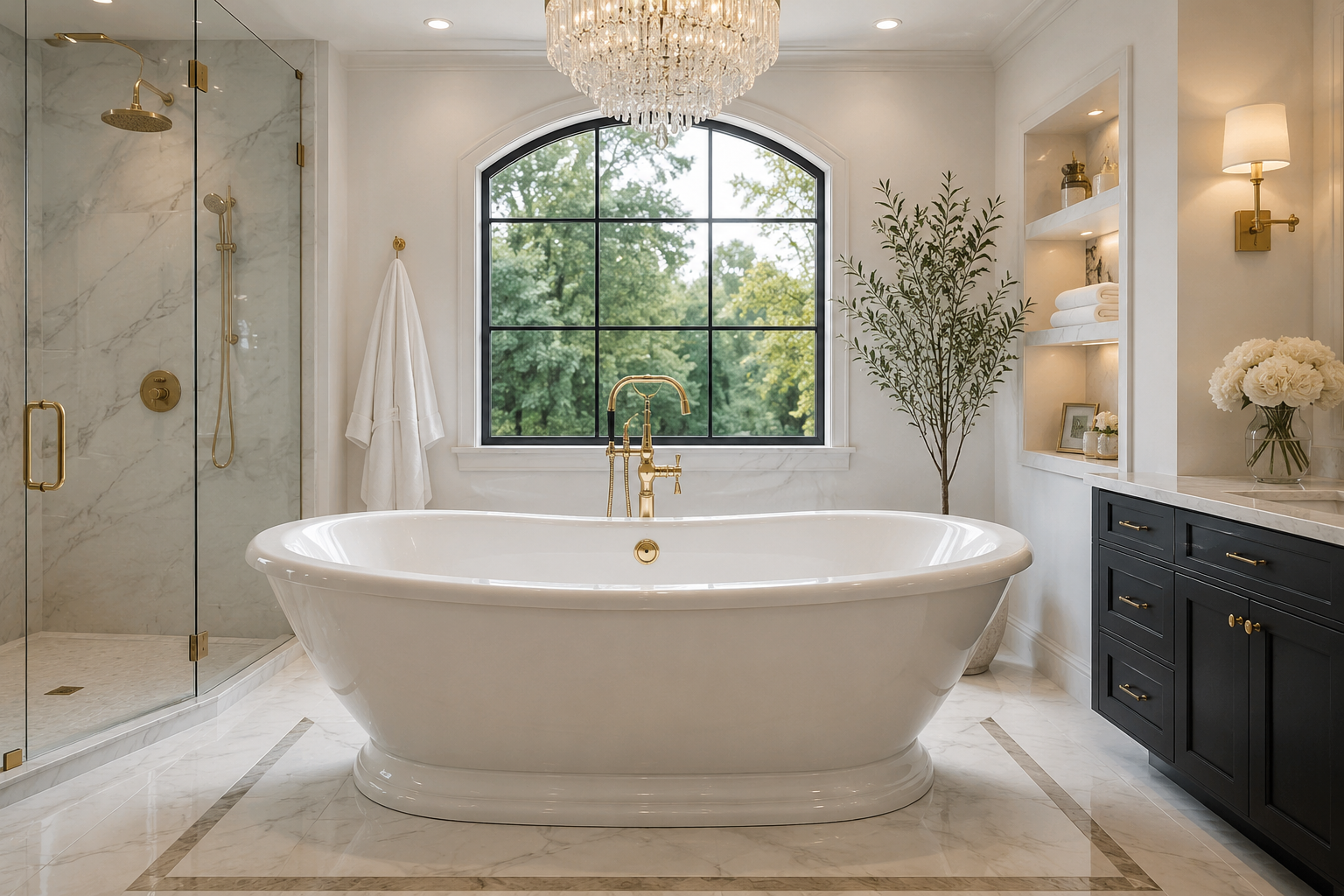
    The Oversized Soaking Tub

    This one may be controversial because oversized freestanding tubs have become a staple in luxury primary bathrooms. They photograph beautifully and can certainly create a dramatic focal point.

    But how often are they actually used?

    For many homeowners, the answer is rarely—or never. Meanwhile, these large tubs take up a significant amount of valuable bathroom space that could potentially be used for additional storage, a larger shower or another functional feature.

    There are exceptions. A soaking tub incorporated into a beautifully designed wet room or oversized shower area can feel much more intentional and private. But if you’re choosing between spending thousands on a freestanding tub simply because it looks impressive or putting that money toward something you’ll use every day, I would seriously consider skipping the tub.

    You Probably Don’t Need the Most Expensive Cabinets

    Kitchen cabinetry is another area where homeowners can quickly spend thousands of additional dollars without seeing the same increase in functionality or resale value.

    Whether you’re building from scratch or remodeling, you’ll usually have several cabinet levels and finishes available. In many cases, a good mid-tier cabinet provides everything most homeowners and future buyers actually care about: an attractive appearance, quality construction, functional storage and soft-close doors and drawers.

    Once you start moving into the highest cabinet tiers, you may be paying significantly more for relatively small differences that the average buyer may never notice.

    There are exceptions, particularly when you’re designing a multimillion-dollar luxury property where buyers expect premium finishes throughout. But for many homes, choosing a high-quality mid-range cabinet and putting the remaining budget elsewhere can make much more financial sense.

    The same principle applies to bathroom vanities and laundry-room cabinetry. You don’t necessarily need the most expensive option simply because the builder offers it.

    Pot Fillers: Pretty, But Are They Practical?

    Pot fillers have become another popular kitchen upgrade. Installed over the stove, they certainly give a kitchen that high-end, chef-inspired look.

    But consider how you’ll actually use one.

    Unless you frequently cook large pots of pasta or spend a significant amount of time cooking, the convenience may not justify the cost of adding another water line. And remember: while a pot filler saves you from carrying a full pot of water to the stove, you still have to carry that pot back to the sink when you’re finished.

    It’s a perfect example of an upgrade that can look luxurious without necessarily adding much everyday functionality.

    Do You Really Need a Fireplace in Florida?

    I love fireplaces. In colder climates, they’re beautiful and functional. But here on Florida’s Gulf Coast, the equation changes.

    In most Sarasota-area homes, a fireplace is primarily decorative. You’re probably not relying on it to heat your home during long winter nights, which means you’re investing in a design feature largely for its appearance.

    The other consideration is how quickly fireplace designs can date a room. Today’s trendy fireplace wall may feel very different five or seven years from now. Depending on the layout, homeowners may eventually wish they had used that wall for cabinetry, storage or a more flexible living-room design.

    If you love the ambiance, that’s different. Your home should still contain features that make you happy. But from a purely financial and resale perspective, I wouldn’t automatically consider an indoor fireplace a must-have Florida upgrade.

    An outdoor fire pit, on the other hand? That’s a Florida feature I can absolutely get behind.

    It’s Time to Leave Barn Doors Behind

    There was a time when sliding barn doors seemed to appear in practically every new renovation.

    That time has passed.

    I still occasionally see homeowners removing traditional doors and replacing them with barn doors over offices, laundry rooms and other spaces. While they can certainly fit a particular aesthetic, they’re a highly specific design choice—and one that can immediately make a renovation feel tied to a previous trend.

    When you’re spending money on permanent or semi-permanent improvements, think beyond what looks trendy today. Ask yourself whether the feature is likely to appeal to future buyers several years from now.

    If the answer is questionable, that may be an upgrade worth skipping.

    Building a New Home? Don’t Upgrade Everything Through the Builder

    If you’re building a production home in Florida, the design center can be dangerous for your budget.

    It’s easy to start adding upgrades because everything feels convenient when it’s rolled into the construction process. But there are several projects that may make more sense to complete after closing.

    Consider Designing the Laundry Room Later

    Rather than having your builder install a standard wall of cabinets, consider waiting until you’ve lived in—or at least fully planned—the space.

    A custom laundry room designed after closing could incorporate a hanging bar, broom closet, stacked washer and dryer, additional shelving or other storage designed specifically around your needs.

    Once builder cabinetry is installed, you may actually have fewer options for creating the laundry room you really want.

    Shop Around for Water Filtration and Security Systems

    Whole-house water filtration and home security systems are other upgrades homeowners may be offered during the building process.

    Before automatically saying yes, compare your options.

    These are improvements that can typically be installed after closing, which gives you the opportunity to research companies, compare prices and select a system based on your actual needs rather than simply accepting the builder’s package.

    Convenience is valuable—but make sure you aren’t paying a significant premium for it.

    Be Careful With Permanent Built-Ins

    Built-in niches, entertainment centers, shelving and decorative wall features can look fantastic when they’re designed around today’s furniture and technology.

    The problem is that homes often last much longer than the technology they’re designed around.

    Think about homes built 20 or 25 years ago with television niches specifically sized for the TVs of that era. Today’s televisions are dramatically larger and thinner, leaving homeowners with built-ins that no longer function the way they were intended.

    Technology will continue to change, and so will interior-design trends.

    That’s why flexibility matters.

    Homes that can be easily modified tend to age better than homes designed around highly specific features. You can absolutely add personality after closing, but whenever possible, consider improvements that can also be changed or removed without requiring a major renovation.

    This is especially important when you’re building a production home. You want the house to feel like yours without making it so specific that a future buyer struggles to envision making it theirs.

    The Upgrade That Is Worth the Money: Consistent Flooring

    After talking about where not to spend your money, there is one place where I believe it’s worth investing: your floors.

    If possible, install consistent flooring throughout the home from the beginning.

    Many builders include hard-surface flooring throughout the main living areas while putting carpet in bedrooms, dens or closets. It may save money initially, but eventually that carpet will need to be replaced.

    That’s when homeowners discover the problem.

    Trying to match flooring five or seven years later can be incredibly difficult. Even if you find the same manufacturer and style, dye lots, finishes and product lines change. The result can be a home with several slightly different floors transitioning from room to room.

    Buyers notice that.

    Continuous flooring creates a cohesive appearance, makes rooms flow together and eliminates one of those subtle visual distractions that can make a buyer feel like a home needs additional work.

    Flooring isn’t inexpensive, but this is one area where saving a little money during construction can create a much bigger headache later.

    If you’re deciding where to allocate your upgrade budget, consistent flooring throughout the home would be near the top of my list.

    Think About Tomorrow Before You Upgrade Today

    Your home should reflect your personality, and not every decision needs to be made strictly around resale value. If you’ve always dreamed of having a soaking tub or you absolutely love sitting beside a fireplace, there’s nothing wrong with choosing those features for yourself.

    The key is understanding the difference between spending money because you personally value something and spending money because you expect it to increase your home’s value.

    Those aren’t always the same thing.

    The most timeless homes tend to balance personality with flexibility. They prioritize functional layouts, cohesive finishes and improvements that can adapt as lifestyles, technology and design preferences change.

    And if you’re building, buying, remodeling or preparing a home for resale in Sarasota or along Florida’s Gulf Coast, it can be helpful to talk through those decisions before spending thousands of dollars on upgrades you may never get back.

    Have questions about which home or builder upgrades are actually worth the investment? Contact Lisa McBride and the Sarasota Neighborhood Experts. We’re always happy to help you make smart real estate decisions and find the right home along Florida’s Gulf Coast.


  • Before You Buy New Construction in Florida, Read This First

    Before You Buy New Construction in Florida, Read This First

    What Every Florida Homebuyer Should Know First

    There’s something exciting about walking into a brand-new home for the very first time. The fresh paint, untouched appliances, open-concept floor plans, and the ability to personalize finishes make new construction incredibly appealing (especially for buyers relocating to Florida). It’s easy to see why so many people gravitate toward newly built communities. But buying a new construction home is very different from purchasing an existing property. Many buyers assume the process is simpler because everything is brand new. In reality, builders operate under a completely different set of rules. They use their own contracts, pricing strategies, timelines, and negotiation tactics, and understanding those differences before you sign can save you thousands of dollars, and a great deal of frustration.

    Builders Negotiate Differently Than Traditional Sellers

    One of the biggest misconceptions surrounding new construction is that builders don’t negotiate. While it’s true they may be reluctant to lower the base price of a home, that doesn’t mean there isn’t room to negotiate. In many cases, builders prefer to protect their published pricing, but they’ll often offer valuable incentives instead.

    Depending on the builder and market conditions, buyers may receive assistance with closing costs, mortgage rate buy-downs, design center credits, appliance packages, structural upgrades, lot premium discounts, or even incentives toward a future pool. These promotions often become more generous during Florida’s slower summer selling season, when builders are motivated to move inventory before the end of the year. Knowing where flexibility exists—and having someone who understands the builder’s negotiation process—can make a significant difference.

    Don’t Fall in Love With the Model Home

    Of course, it’s easy to become captivated by a beautifully staged model home. That’s exactly what they’re designed to do.

    Every piece of furniture, every light fixture, every carefully selected paint color has been chosen to create an emotional connection. The challenge is remembering that the home you’re touring often includes thousands of dollars in upgrades that aren’t part of the advertised price.

    Designer lighting, custom trim work, premium flooring, upgraded cabinetry, architectural details, and high-end finishes frequently come standard in the model but not in the home you’re purchasing. Instead of focusing on the décor, buyers should evaluate the floor plan itself. Does the layout work for your family? Will it support your lifestyle for years to come? Whenever possible, touring an inventory home with the same floor plan can provide a much more realistic expectation of what you’ll actually receive.

    The Base Price Is Rarely the Final Price

    The advertised price itself is another area where buyers are often caught off guard.

    That attractive number displayed on a builder’s website is typically just the starting point. It usually reflects the base price before adding lot premiums, structural modifications, upgraded flooring, cabinets, countertops, appliances, landscaping, or outdoor living features. By the time buyers finish making selections in the design center, the final purchase price can increase substantially.

    And the expenses don’t stop at closing. Window treatments, ceiling fans, fencing, screened lanais, landscaping, and furnishing an entirely new home all add to the overall investment. Planning for these additional costs from the beginning can help prevent unpleasant financial surprises later.

    Choose Your Upgrades Wisely

    The design center itself can quickly become one of the most exciting—and expensive—parts of the building process.

    With endless choices of flooring, cabinetry, countertops, lighting, hardware, and luxury finishes, it’s easy to continue saying “yes” to one upgrade after another. Before long, tens of thousands of dollars have been added to the purchase price.

    While personalizing a home is one of the biggest advantages of buying new construction, it’s important to keep future resale value in mind. Spending significantly more on upgrades than neighboring homes may not always translate into a higher resale price later. Thoughtful improvements that enhance everyday living often provide a better long-term return than selecting every premium option available.

    Should You Build or Buy an Inventory Home?

    Another important decision buyers face is whether to build from the ground up or purchase an inventory home.

    Building from scratch offers complete customization. Buyers can choose structural options, finishes, and design features that perfectly match their preferences. The trade-off, however, is time and uncertainty. Construction schedules can shift because of weather, permitting, labor availability, or material delays.

    Inventory homes offer a different advantage. Because they’re already under construction—or even completed—buyers can often move in much sooner. Builders also tend to include finishes that appeal to the broadest range of homeowners, and because these homes are ready to close, they’re often where the strongest incentives can be found. For buyers working within a specific timeline, an inventory home may offer both convenience and exceptional value.

    Builder Incentives Change More Often Than You Think

    Timing matters for another reason as well: builder incentives change constantly.

    A promotion available today may disappear next month. Mortgage rate buy-downs, closing cost assistance, free upgrades, and design credits often fluctuate based on sales goals and market conditions. Comparing what a neighbor received six months ago doesn’t necessarily reflect what’s available today. Every buying season is different.

    Builder Contracts Aren’t the Same as Standard Real Estate Contracts

    Unlike a standard resale transaction, builder contracts are drafted by the builder’s legal team and contain provisions that differ significantly from traditional real estate agreements. They typically address issues such as construction delays, material substitutions, estimated completion dates, warranty coverage, inspection rights, and community development plans.

    For example, if a selected product becomes unavailable during construction, many contracts allow the builder to substitute a comparable material. Completion dates are also often estimates rather than guarantees, especially when permitting delays or weather become factors. Understanding these details before signing helps buyers avoid misunderstandings later in the process.

    You Don’t Have to Use the Builder’s Preferred Lender

    Builders will frequently recommend using their preferred lender, and in many cases they’ll offer attractive incentives for doing so. While those offers can provide real value, buyers aren’t obligated to finance through the builder’s lender. Comparing multiple financing options remains one of the smartest financial decisions a buyer can make. Sometimes the builder’s incentives outweigh a slightly higher interest rate, while other times an outside lender offers greater long-term savings. Looking at the complete financial picture—not just the headline incentive—is essential.

    Never Skip the Home Inspection

    One mistake buyers should never make is assuming a brand-new home doesn’t need an inspection. Even new homes can have issues.

    Independent inspections remain one of the most valuable protections available during the building process. A pre-drywall inspection allows inspectors to verify framing, plumbing, electrical work, insulation, and structural components before they’re covered by drywall. A final inspection before closing can identify items that should be corrected while the builder is still responsible for repairs.

    The Building Process Requires Patience

    Perhaps the biggest adjustment for many buyers is simply understanding the pace of new construction.

    After signing a contract and selecting finishes, there may be weeks—or even months—where it feels like little is happening while permits are processed and scheduling takes place. Then, seemingly overnight, construction begins moving quickly through each phase until closing approaches. Knowing what to expect throughout the timeline helps reduce much of the uncertainty buyers often experience.

    Good communication also plays an important role during construction. Most builders assign a project manager or construction supervisor who provides updates as the home progresses. Staying engaged, asking questions, and scheduling inspections at the appropriate times helps ensure the process runs as smoothly as possible.

    Your Neighborhood May Still Be Under Construction

    Finally, buyers should remember that moving into a new community often means moving into an active construction zone. If you’re one of the first homeowners in a developing neighborhood, you’ll likely experience construction traffic, delivery trucks, temporary road closures, dumpsters, and ongoing building activity for months—or even years—as the community continues to grow. While this is temporary, it’s an important part of the new construction experience that many buyers overlook.

    Final Thoughts

    Buying a brand-new home can be one of the most rewarding real estate decisions you’ll ever make. Modern layouts, energy-efficient construction, updated building standards, and the opportunity to personalize your home offer advantages that are difficult to find in resale properties.

    The buyers who have the best experience aren’t necessarily the ones who purchase the newest home—they’re the ones who understand the process before they ever walk into the sales office. By learning how builders negotiate, recognizing the true cost of a new home, understanding builder contracts, and never skipping independent inspections, you’ll be in a much stronger position to make a confident, informed decision.

    Whether you’re considering building from the ground up or purchasing a move-in-ready inventory home, taking the time to understand how new construction works will help ensure your Florida dream home is everything you hoped it would be.